
Lighting workplace decisions are often made quickly, based on fixture price or style. But in reality, workplace lighting design directly affects visibility, employee comfort, and productivity. A small change in office lighting levels or glare control can mean fewer headaches, better focus, and safer movement through the space.
This guide is for owners, facility managers, and designers who want a simple, practical way to improve workplace lighting. You’ll learn how to set clear workplane foot-candle targets, choose LED office lighting that supports visual comfort, and understand when a professional office photometric plan can help.
Why Workplace Lighting Matters for Performance and Comfort
Poor workplace lighting shows up as eye strain, squinting at the screen, and people avoiding certain desks because of monitor reflections or dark corners. Good workplace lighting, on the other hand, supports clear visibility, stable mood, and consistent performance across the day.

Start with Visibility, Then Design for Comfort
Every workplace lighting design should start with one question: can people see their tasks clearly, without strain? Once basic visibility is in place, you then refine uniform lighting, luminance contrast, and glare control so the environment feels calm and comfortable, not harsh or flat.
- Make sure basic lighting workplace levels are adequate at the workplane, not just on the ceiling.
- Check for visual comfort issues like direct view of bright LEDs, monitor reflections, or strong shadows.
- Use modern LED office lighting with high CRI LED sources and stable color temperature to keep materials and skin tones looking natural.
Key Workplace Lighting Numbers: Levels, Glare, and Uniformity
To move from “it feels okay” to a reliable workplace lighting design, you need a few simple targets. These include recommended office lighting levels in foot candles, an office lighting uniformity ratio that avoids bright and dark patches, and basic rules for glare control.
- Set workplane foot-candle targets. For open plan office lighting, many designers use 30–50 fc on the desk as a starting point, following IES office lighting recommendations.
- Review uniform lighting. Aim to avoid extreme bright/dark contrast between workstations and circulation areas to keep lighting for employee comfort consistent.
- Control glare. Choose optics and layouts that keep bright sources out of direct view and reduce monitor reflections for people working on screens all day.
Practical Lighting Workplace Guidelines You Can Use
Here are simple lighting workplace guidelines 2025 you can apply in most standard offices. They support ergonomic lighting, good visibility, and a calm environment without overcomplicating the design. Use them as a checklist before you move into a detailed workplace lighting calculation or full office photometric plan.
- Open offices: Target 30–50 fc at desk height, with an office lighting uniformity ratio around 3:1 or better across work areas.
- Conference rooms: 20–30 fc on the table, plus dimming for presentations and circadian-friendly lighting schedules when possible.
- Support spaces: 10–20 fc in copy/print areas, storage, and small meeting rooms for safe, efficient use.
- Color and quality: Use a color temperature 3500K or close, with high CRI LED sources (typically 80+ or 90+ CRI) for natural, comfortable color rendering.
- Layering: Combine indirect ambient lighting with task lighting at desks to create the best workplace lighting for computer work and paperwork.
- Standards: Refer to current IES office lighting recommendations and interior lighting standards when planning upgrades or inspections.
- Flexibility: Include dimming or separate zones so you can adjust lighting workplace conditions as layouts and teams change.

Lighting Workplace Example: Upgrading a Small Open Office
To see how these ideas work in practice, let’s look at a simple example. A small company with a 1,500 sq ft open office had older fluorescent troffers and frequent complaints about glare and eyestrain. The owner wanted better workplace lighting standards for open offices but did not know where to start.
- Project / context: 12-person open plan office with a mix of computer work, video calls, and paperwork. Existing fixtures produced uneven workplace illumination and harsh reflections on screens.
- Challenge: Average office lighting levels were only 15–20 fc at the desks, and some people sat directly under bright fixtures. There was no ergonomic lighting setup for home office staff who occasionally worked on-site, and the color was cold and uncomfortable.
- Solution: Stetra Lighting created an office photometric plan and ran a workplace lighting calculation for new LED office lighting. We specified uniform lighting with low-glare optics, targeted 35–40 fc on the workplane, improved office lighting standards in meeting areas, and reduced direct view of sources that caused monitor reflections.
- Result: After the upgrade, staff reported less eye strain, more consistent lighting for employee comfort, and better visibility on printed documents. The owner now uses LED office lighting design best practices from this project as a template for future locations.
Whether you manage a single office or a portfolio of spaces, working with a workplace lighting planner near me–style partner (even remotely) helps you move beyond guesswork. A structured lighting workplace approach saves time, supports compliance, and makes your upgrades easier to defend during budget reviews.
Get a Professional Photometric Plan
Checklist: How to Improve Lighting in the Workplace
Before you invest in new fixtures or a full redesign, walk your space with this short checklist. It will help you align your workplace lighting design with basic standards and highlight where expert support could add value.
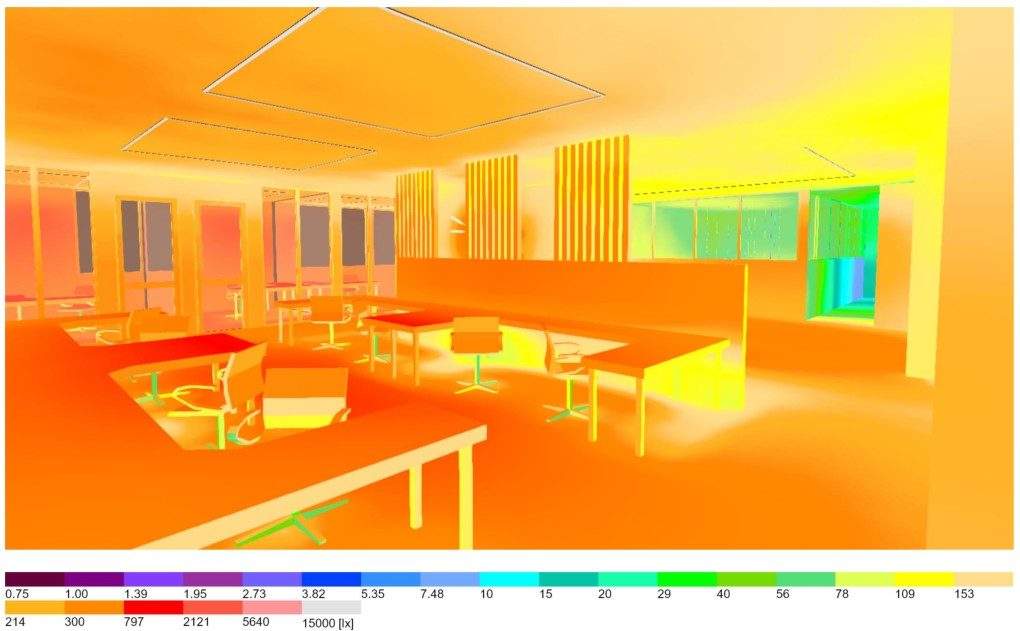
Ask yourself:
- Are key tasks and walkways meeting basic workplace lighting standards for open offices, meeting rooms, and support areas?
- Do people complain about glare, monitor reflections, or flicker that could be solved with better ergonomic lighting or different optics?
- Is your current workplace lighting design based on measurements and calculations, or just fixture counts?
- Have you reviewed your installation against current office lighting workplace guidelines 2025 and IES office lighting recommendations?
- Would a fresh workplace lighting calculation and updated office photometric plan help you justify an upgrade or support a future remodel?
If you want a clear, technical view of your options, Stetra Lighting can help with independent advice and detailed plans. We combine simple language with precise numbers so you know exactly how many fixtures you need, what office lighting levels to target, and how your new design will improve lighting for employee comfort before you install anything.
When you treat lighting workplace decisions as part of your core operations, not just a maintenance item, you get better visibility, safer movement, and a more comfortable environment for your team. If you’re ready to move from guesswork to real data, you can order a photometric plan or contact us for a short review of your current office lighting design.