
Exterior Lighting Design
Exterior lighting design should do more than make a property visible at night. A strong plan improves safety, supports navigation, highlights the right architectural features, and controls glare and spill light. When the design is weak, outdoor spaces often end up too bright in the wrong places and too dark where people actually need to see.
That is why exterior lighting should be approached as a layout problem, not just a fixture selection problem.
This guide covers the fundamentals of exterior lighting design for architects, contractors, developers, property owners, and commercial project teams.
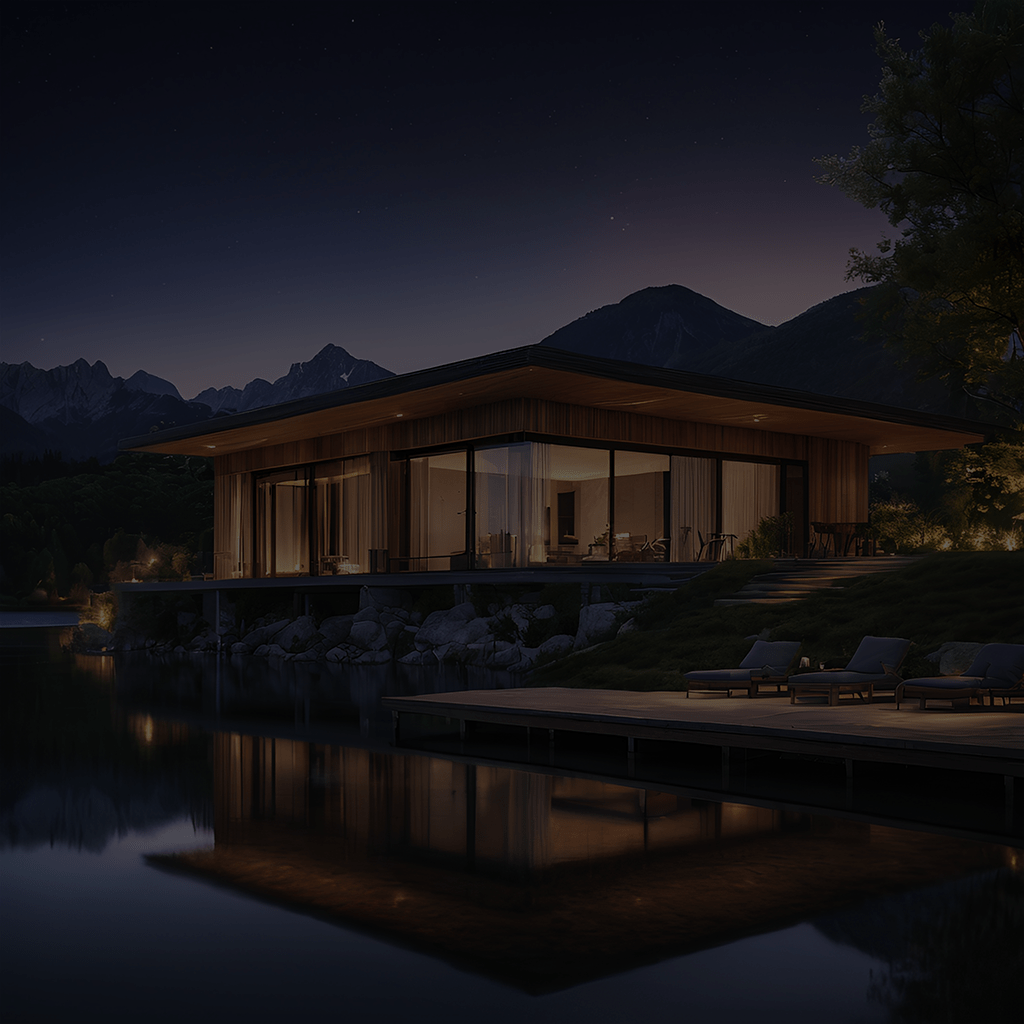
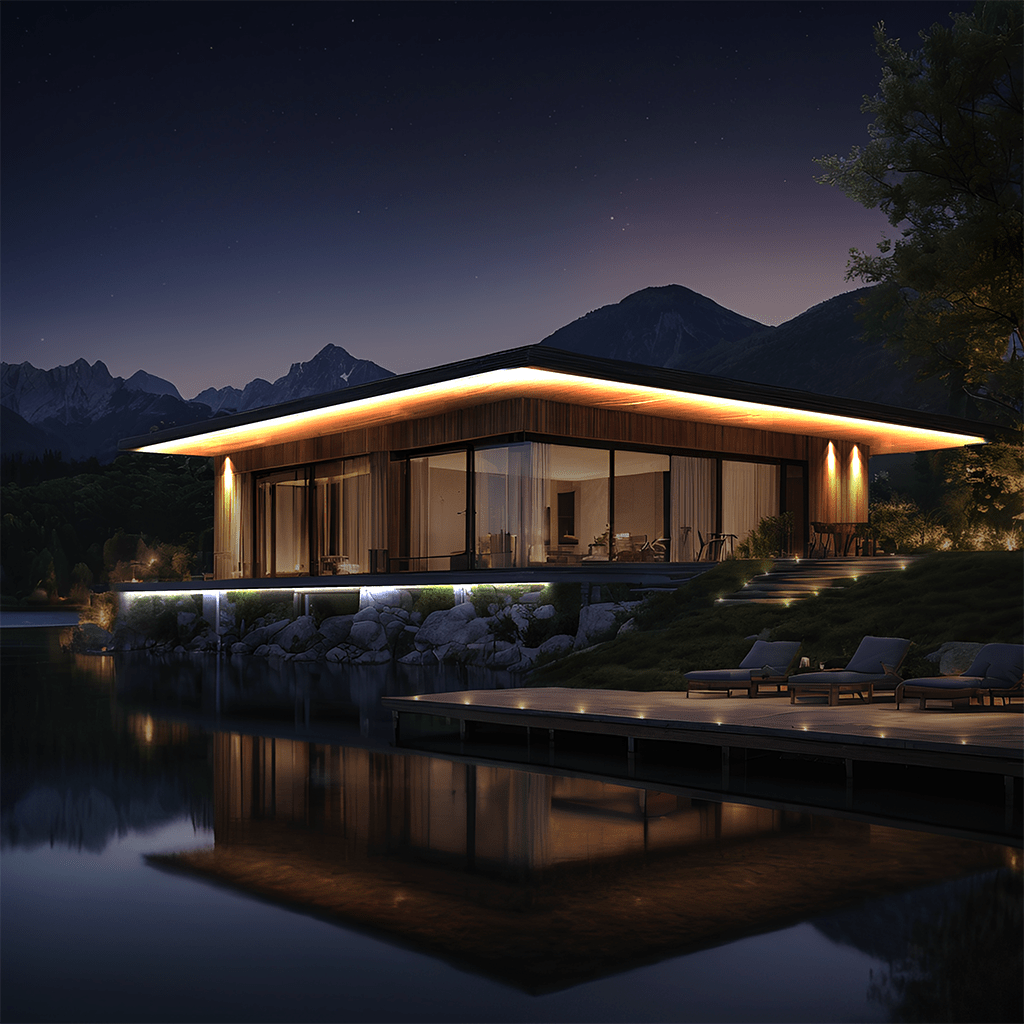
What good exterior lighting design looks like
- lights entries, walkways, drives, and gathering areas clearly
- supports visibility without harsh glare
- uses the right beam angles and optics for each zone
- controls spill light at property lines
- fits the architecture and landscape instead of fighting them
Exterior spaces are used differently than interiors. People move through them. Sight lines are longer. Weather matters. Neighbors matter. That means fixture height, shielding, and light direction matter more than many project teams expect.
Start with the purpose of each outdoor zone
Not every exterior area needs the same lighting strategy.
Walkways need guidance and consistency. Entrances need stronger visibility and recognition. Parking areas need safe circulation and better horizontal coverage. Landscape features may need accent light, but not at the expense of comfort. Facades often need controlled vertical illumination, not raw brightness.
When a project uses one approach for every zone, the result is usually flat, inefficient, and harder to control.
Use light levels as targets, not guesswork
Exterior lighting design should be based on target foot-candles, not assumptions about how bright a fixture looks in a catalog. The surface, the mounting height, the spacing, and the optic all affect the final result.
- is the walkway bright enough to feel safe?
- are transitions between fixtures smooth enough?
- are parking areas too uneven?
- are the property-line levels under control?
If the project needs formal review, see Stetra’s guide to outdoor lighting foot-candle requirements.
Beam angle, optics, and fixture spacing
Exterior lighting problems often come from the wrong optic. A beam that is too wide creates glare and wasted spill. A beam that is too narrow creates bright islands with dark gaps between them.
- mounting height
- setback from the target area
- width of the area being lit
- whether the goal is general coverage, accent lighting, or facade illumination
Fixture spacing matters just as much. Adding more output to a bad layout rarely fixes the root issue. In many cases, the better solution is a different distribution pattern, lower-glare optics, or revised fixture spacing.
Glare control and spill light
Glare is one of the fastest ways to make an outdoor space uncomfortable. Bright points at eye level, poorly shielded wall packs, and aggressive floodlights can all reduce visibility instead of improving it.
- mounting fixtures above normal sight lines when possible
- choosing optics that keep light on the target
- avoiding over-lighting near entries and facades
- controlling reflected brightness from light-colored surfaces
Spill light matters too. Exterior projects often sit next to streets, residences, or adjacent commercial uses. If the design pushes unnecessary light beyond the site, it can create permitting problems and neighbor complaints.
Exterior lighting is not only about safety
Safety is important, but exterior lighting design also affects the way a property is understood at night. Good lighting can make circulation clearer, make a building easier to approach, and help a site feel intentional instead of patched together.
- brighter at entries
- lower and quieter on paths
- controlled accenting on landscape and architecture
- restrained use of floodlighting
This creates a more professional night image and usually performs better.
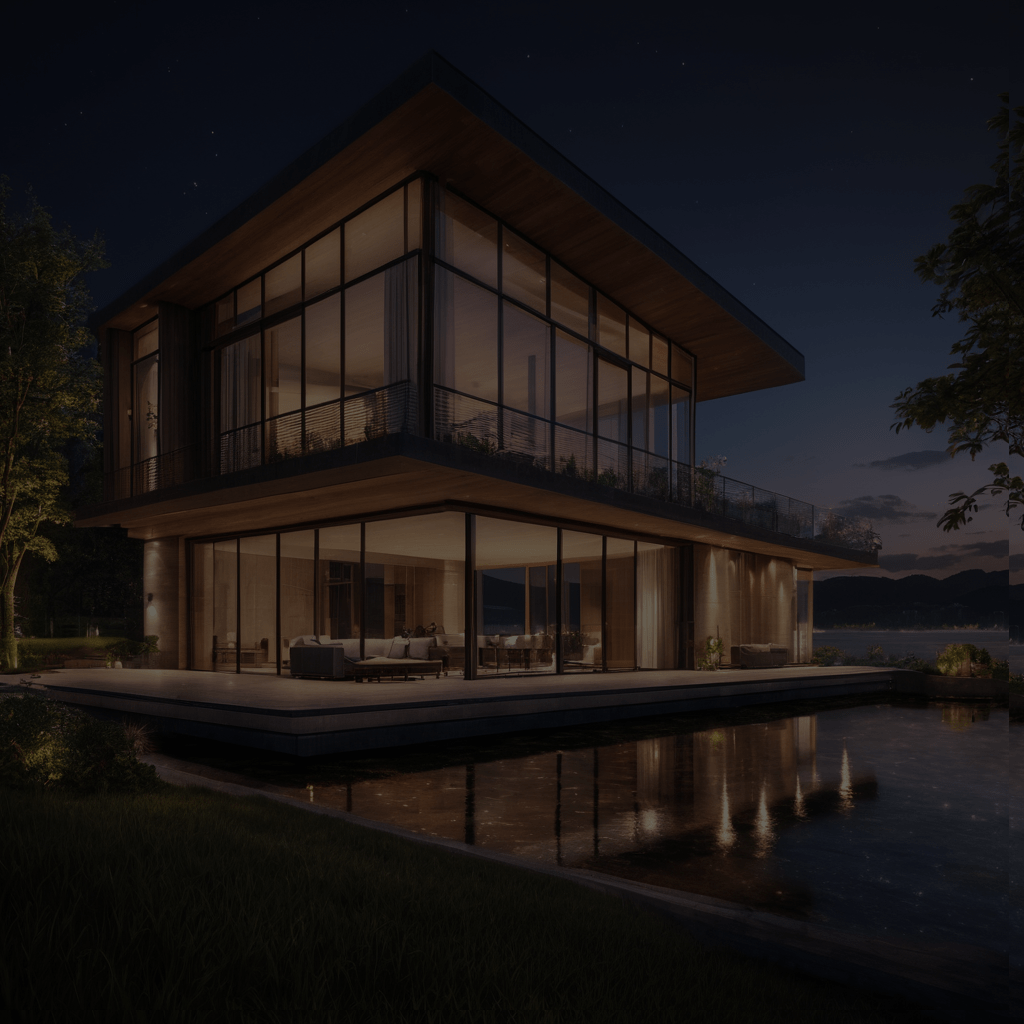

For more facade and landscape examples, browse more ideas from Stetra Lighting Services.
Controls and scheduling
Exterior lighting should not operate the same way all night unless the site truly needs it. Controls help reduce energy use, support code compliance, and improve flexibility.
- scheduling
- photocell response
- dimming during low-activity hours
- occupancy or motion-based response in selective areas
Controls should be part of the design discussion early, not added after fixture selection.
Why exterior lighting projects need photometric planning
Exterior lighting is one of the clearest cases for a photometric plan because spacing, mounting height, beam angle, and spill light all interact. Without calculations, it is easy to end up with a design that looks acceptable on paper but fails in the field.
- light levels on the ground or task surface
- uniformity across the site
- property-line values
- whether the layout is overlit or underlit
- whether the fixture spacing is realistic
If you need support, Stetra Lighting can prepare a permit-ready photometric plan based on the actual site geometry and fixture assumptions.
Common exterior lighting mistakes
- lighting everything to the same level
- choosing floodlights where controlled optics are needed
- over-lighting entries and facades
- ignoring spill light at the edge of the site
- skipping controls
- assuming brighter means safer
- failing to model the layout before installation
FAQ
What is the goal of exterior lighting design?
The goal is to create usable nighttime visibility while controlling glare, spill light, and wasted output.
Should exterior lighting be bright everywhere?
No. Good exterior lighting uses hierarchy. Important zones need emphasis, while circulation areas often need consistency more than intensity.
Why is a photometric plan important for outdoor projects?
Because it shows the actual light levels, spacing performance, uniformity, and edge-of-site impact before the fixtures are installed.
What is the difference between glare and spill light?
Glare affects visual comfort and visibility. Spill light is unwanted light that leaves the target area and reaches adjacent spaces.
Need a permit-ready exterior lighting plan?
If your project needs a cleaner outdoor lighting layout, Stetra Lighting can help you review foot-candles, fixture spacing, optics, glare control, and spill light before the design goes out for pricing or permit review.
Final Conclusion
Exterior lighting design works best when every zone has a clear purpose and the layout is verified before the fixtures are installed. Good optics, realistic spacing, controlled glare, and clear foot-candle targets will do more for an outdoor project than simply adding more lumens.