Architectural Lighting

CRI-color-render-index

Understanding the Impact of CRI (Color Rendering Index)

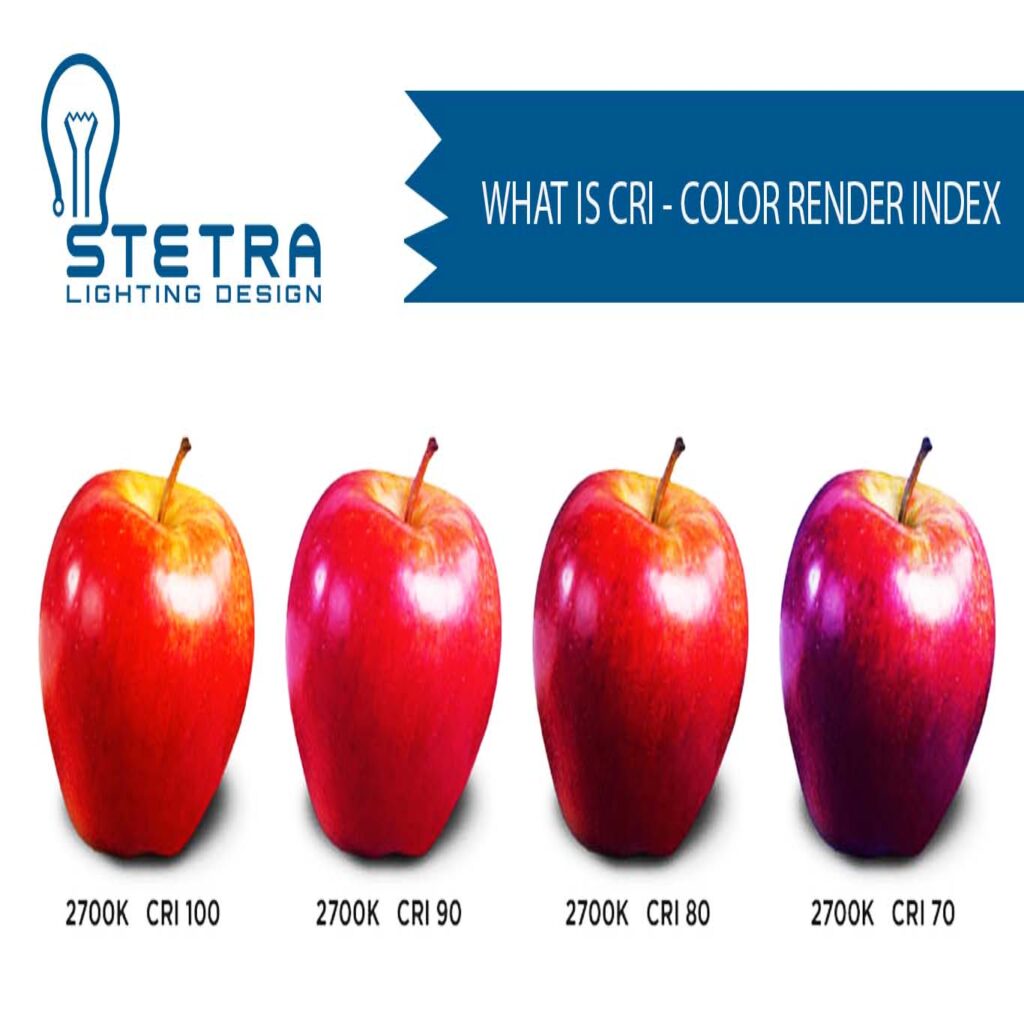
CRI (Color Rendering Index) plays a crucial role when it comes to creating the perfect ambiance and atmosphere in any space. We often consider factors such as brightness and energy efficiency when selecting lighting solutions, but there is another essential element that significantly affects our perception of colors: the Color Rendering Index (CRI). In this article, we will explore the impact of CRI on lighting and understand why it is vital for creating visually appealing and comfortable environments. What exactly is the Color Rendering Index (CRI)? In simple terms, CRI is a quantitative measure that indicates how accurately a light source reproduces the colors of various objects compared to a reference light source. It measures the quality of light by evaluating its ability to reveal the true colors of objects and surfaces. CRI is measured on a scale of 0 to 100, with a higher CRI indicating better color accuracy. Why is CRI important in lighting? The answer lies in our perception of colors and how they influence our experiences. Imagine walking into a room with vibrant artwork, where the colors are vivid and lifelike. High CRI lighting makes this possible by accurately reproducing the colors, allowing us to appreciate the artwork as intended. On the other hand, low CRI lighting can distort colors, making objects appear dull, washed out, or even completely different from their actual hues. The accurate rendering of colors not only enhances the aesthetic appeal but also affects our emotions, well-being, and productivity. Different light sources have varying CRI capabilities Incandescent bulbs, once widely used, have a relatively high CRI, often above 95. However, due to their low energy efficiency, they are being phased out in favor of more efficient options. Fluorescent lights have historically had lower CRI values, resulting in poor color reproduction. However, advancements in technology have led to the development of fluorescent lamps with improved CRI. The most popular lighting solution today, LED (Light Emitting Diode) lights, can also vary in CRI depending on the quality of the LED chips used. High-quality LEDs can achieve excellent color accuracy with CRI values exceeding 90. The impact of CRI extends beyond residential spaces. In commercial and retail settings, where lighting plays a crucial role in product displays and customer experiences, high CRI lighting is especially important. Accurate color reproduction can make merchandise more appealing, influencing purchase decisions. Similarly, in museums and art galleries, high CRI lighting ensures that we present viewers with the true colors and details of the pieces, which is paramount for preserving and showcasing artwork. When selecting lighting products, it is essential to consider the CRI value along with other factors such as color temperature and light distribution. A CRI value of 80 or above is generally considered good, while values exceeding 90 are excellent. It’s also worth noting that different applications may require different CRI values. For instance, in environments where color accuracy is critical, such as hospitals or fashion design studios, people may prefer a higher CRI. In Conclusion Understanding the impact of CRI in lighting is essential for creating visually appealing and comfortable environments. Accurate color rendering enhances our perception of colors, influences our emotions, and improves our overall experiences. Whether you are lighting your home, designing a retail space, or curating an art exhibition, considering the CRI value of lighting products is key to achieving the desired effect. Embrace the power of CRI and let it transform the way you perceive colors in the world around you.

Understanding the Impact of CRI (Color Rendering Index) Read More »
What Is Color Temperature 1024x1024

Color Temperature Choosing the Perfect Mood

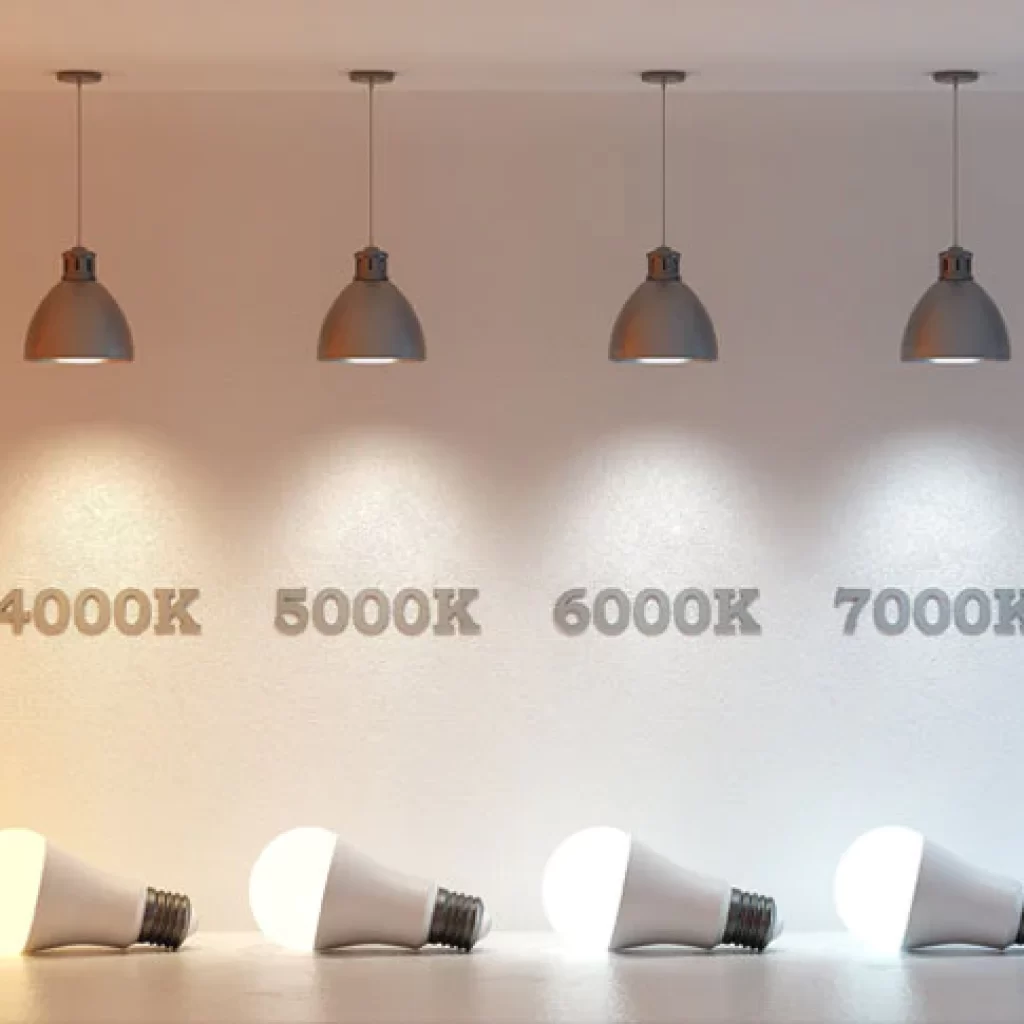
When it comes to creating the ideal atmosphere for any space, color temperature in lighting plays a crucial role. One often overlooked aspect of lighting design is color temperature. The color of light can greatly impact the ambiance, mood, and functionality of a room. Understanding Color Temperature Color temperature refers to the perceived warmth or coolness of light emitted by a light source. It is measured in Kelvin (K) and typically falls within a range of 1000K to 10000K. The lower end of the scale represents warm or yellowish light, while the higher end signifies cool or bluish light. Color temperature is a fundamental aspect of lighting design, impacting not only aesthetics but also functionality. Photometric Analysis for color temperature To ensure the most appropriate color temperature for a lighting project, conducting a photometric analysis is essential. Photometric analysis involves comprehensive measurements and calculations of light distribution, luminance, and illuminance levels. By analyzing this data, designers can make informed decisions about light color and create illumination plans that meet the desired objectives. Lighting Design – Setting the Mood Light color directly influences the ambiance of a space. Warmer color temperatures ranging from 2000K to 3000K create a cozy and inviting atmosphere in areas where relaxation and warmth are desired, such as living rooms or bedrooms. On the other hand, cooler color temperatures between 4000K and 6000K promote focus, productivity, and a bright, energizing feel, making them better suited for workspaces, kitchens, and retail environments. Lighting Calculations While the light color impacts the visual appeal, it’s crucial to strike the right balance between aesthetics and functionality. Lighting calculations, such as determining the appropriate illuminance levels, are crucial in achieving this balance. Proper calculations based on the specific requirements of the space ensure that the lighting design meets the necessary standards while also delivering the desired color. Illumination Plans Creating effective illumination plans involves considering the different lighting requirements of each space within a building. Right light color should be chosen with consideration for the specific purpose of each area. For instance, in a restaurant, warmer color temperatures can evoke a cozy and intimate dining experience, while cooler temperatures in the kitchen area can enhance visibility and cleanliness. As we’ve discovered, light color plays a significant role in lighting design, impacting the ambiance and functionality of any space. By conducting a photometric analysis, designers can make informed decisions about light color, ensuring that it aligns with the desired objectives. By carefully considering lighting calculations and illumination plans, you can achieve the perfect color temperature for each unique lighting application. So, whether you’re aiming to create a relaxing haven at home or a productive workspace, remember that choosing the right color temperature is the key to illuminating success!

Color Temperature Choosing the Perfect Mood Read More »

Crestron 768x768

The Essential Guide to Lighting Controls

Lighting Controls Efficient Lighting Control Solutions In the lighting design process other than a professional photometric plan it is crucial to specify good lighting control in your lighting projects. Lighting controls have become increasingly popular in recent years due to their ability to save energy, increase convenience, and enhance the overall aesthetic of a space. One of the leading manufacturers of lighting controls is Lutron, but several other notable companies offer similar products such as Bubble Net, Control4, and Crestron. Lutron lighting control system Elevate Ambiance with the Lutron Lighting Control System Lutron is a well-known name in the lighting industry and has been around for over 50 years. The company offers a wide range of lighting control solutions for both residential and commercial applications. Their products include dimmers, switches and sensors that allow you to control the lighting in your home or business with ease. One of the key features of Lutron’s products is their compatibility with smart home technology, which allows you to control your lights with voice commands or from a mobile device. Image 2: Lutron lighting control – RadioRA3 BubblyNet lighting control system “Revolutionize Lighting with BubblyNet Control System” BubblyNet is another lighting control specializing in wireless lighting controls. Products are easy to install and use, without complicated wiring or programming. These lighting controls can be used to control both indoor and outdoor lighting, making them a good choice for both residential and commercial applications. Image 3: BubblyNet lighting control system Control4 lighting control system “Master Your Ambiance with Control4 Lighting System Unveiled” Control4 is another leading manufacturer of lighting controls that offers a wide range of products for smart homes and businesses. Their products are designed to integrate seamlessly with other smart home devices, allowing you to control your lighting, security and entertainment systems all from one central location. Control4’s products also include advanced features such as occupancy sensing and scene control, which allow you to customize the lighting in your space to suit your needs. Image 4: Control4 lighting control system Creston lighting control system “Elevate Illumination with Creston Lighting Control System” Crestron is a high-end lighting control manufacturer that offers a wide range of products for residential and commercial applications. Products have very good advanced features and customization options. Also, they are very popular for luxury homes and high-end commercial spaces. Crestron’s products can integrate with other smart home devices. This will allow you to control your lighting, HVAC and entertainment systems all from one central location. Image 5: Crestron lighting control system

The Essential Guide to Lighting Controls Read More »

Facade Lighting

COVE LIGHTING TIPS TO MAKE THE MOST OF IT.

Imagine walking into your home theater or bedroom and seeing a soft, warm glow softly illuminating the ceiling. It’s a magical experience, like stepping into a fairytale Cove lighting is a form of indirect lighting built into ledges, recesses, or valances in a ceiling or high on the walls of a room. It gives the space the illusion of having no visible light sources while creating a soft, warm glow. Cove lighting can be used in most areas of the home. It’s particularly popular for home theaters, bedrooms, and dining rooms where people want to create an intimate atmosphere. Also, this type of lighting can create a cozy atmosphere perfect for dining rooms, game rooms, home theaters, and more. With a variety of colors and dimming options available, this type of lighting also makes a great accent lighting option. Cove Lighting in the restaurant Places where cove lighting is used the most   Here are four places you might consider using cove lighting: 1) Bedroom. Soft, indirect light is great for a bedroom—especially if it’s not too bright. Using cove lights can allow you to set the right mood for sleeping or relaxing, without being blinded by excess light. 2) Kitchen. Cove lighting in the kitchen can help you see better while doing tasks that don’t require a lot of illumination, like grabbing something from the fridge or making coffee in the morning, without having to turn on bright overhead lights. 3) Bathroom. Soft, ambient lighting is a great option for bathrooms, where you might want some light but not necessarily so much that you feel exposed when you’re going about your business in there. 4) Living room. Add a gentle glow to your living room with cove lighting! It’s a great addition to any living space and can help make the area more inviting for everyone.   Cove Lighting used for facades   A great way to increase public safety and add some aesthetic to your facade is with cove lighting. Cove lighting is a type of architectural lighting that creates a soft glow on the ceiling, usually beneath an overhang. It’s a great way to illuminate a space while adding to the feeling of ambiance. Cove lighting can also provide some light that helps people navigate at night, or when they’re in unfamiliar places. It’s an amazing way to make your building stand out by giving it a unique combination of depth, light, and dimension. You can use cove lighting to highlight or create architectural details in the facade, or to make it visible from far away. Cove lighting in facade garage design — what you need to know! Cove lighting is a popular choice for garage facades for two major reasons: -It’s easy to implement -It looks beautiful. But how do you actually make it happen? Here are a few tips and tricks from our experts: 1) First, the cove must be framed with a finished material that properly reflects light from its surface. This might be drywall or paint. If you want to get fancy, you can use a mirror, but that can be pricey. 2) You need to decide on your light source type. Although cove lighting can be used as accent lighting or task lighting, it is most commonly used as ambient lighting. You should make sure that the source of your lights is strategically placed so that it doesn’t shine directly into anyone’s eyes—you don’t want anyone thinking they’re seeing Santa Claus when they step outside! 3) Do not use fluorescent bulbs! Fluorescent bulbs will not evenly distribute light across the space, and they often give off an unpleasant glare. Instead, use LED tape lights or another type of dimmable LED light source such as strips or bulbs.     Bottom line… I can say that one of the easiest and most dramatic ways to change up your space is to add cove lighting whatever you feel is necessary. This is not only a great way to illuminate your favorite items and make them pop, but it also gives your space a warmer feel and makes everything just a little more welcoming. Before installing the cove lighting It is crucial to Photometric reports made by the lighting designer where you visualize how the light will impact the space. Also, lighting designers can ensure that the correct fixtures are chosen for any application. Enjoy!  

COVE LIGHTING TIPS TO MAKE THE MOST OF IT. Read More »

A serene image capturing the transition from daylight to dusk, symbolizing the natural circadian rhythm.

Circadian Rhythm: A Guide to Enhanced Well-being

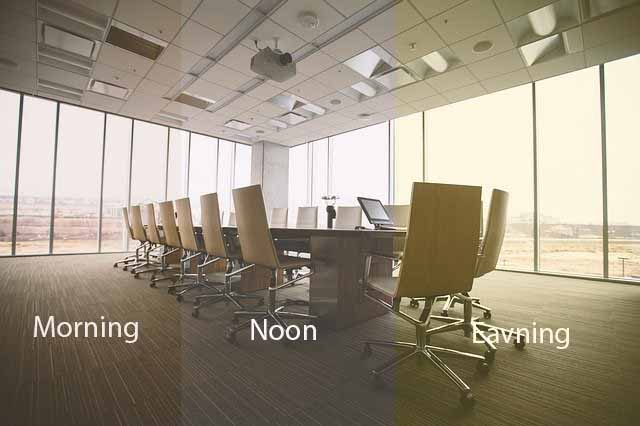
Introduction In the rhythm of life – circadian rhythm, there’s a natural beat that guides our sleep, wakefulness, and overall well-being — the circadian rhythm. This 24-hour cycle, deeply ingrained in our biology, orchestrates a symphony of bodily functions, with light playing the role of conductor. This article delves into the science behind the circadian rhythm, its profound impact on our health, and the innovative LED technologies designed to harmonize our indoor environments with our internal clocks. Understanding Circadian Rhythm At the heart of our circadian rhythm lies the hypothalamus, a master clock in the brain that cues our body’s natural responses to light and darkness. Signals from our eyes to the hypothalamus adjust the release of melatonin, a hormone that influences sleepiness when dark and alertness in light. This intricate dance between light exposure and our biological clock underscores the importance of aligning our environment with our circadian rhythm for optimal health. The Significance of Natural Light Daylight, with its dynamic spectrum from the crisp blue of the morning to the soft warmth of the sunset, is the gold standard for syncing our biological clock. Exposure to the right type of light at the right time can bolster our energy levels during the day and enhance restfulness at night. Yet, modern lifestyles often disrupt this natural alignment, necessitating innovative solutions to bridge the gap. LED Technology: A Beacon for Circadian Health Advancements in LED lighting technology have opened new avenues for mimicking the beneficial effects of daylight indoors. By adjusting the intensity and color of artificial light, we can create environments that support our circadian rhythm, promoting better sleep, mood, and overall health. Intensity and Color Regulation in LED Lighting Two primary strategies – intensity regulation and color regulation – offer ways to customize lighting to our circadian needs. Dimming controls adjust brightness to mirror the natural progression of daylight, while tunable white LEDs can shift color temperatures to simulate the sun’s journey across the sky. Together, these technologies offer a dynamic lighting environment that can adapt to our daily cycles. The Path Forward: Integrating Circadian Rhythm into Our Lives Embracing circadian-friendly lighting isn’t just about technology; it’s a holistic approach to wellness. From the design of our homes and workplaces to the timing of our exposure to light, every aspect plays a role in harmonizing our internal clocks with the natural world. Conclusion The circadian rhythm is a testament to nature’s wisdom, a reminder that our bodies are tuned to the Earth’s cycles. By leveraging the capabilities of LED technology, we can create spaces that not only illuminate but also rejuvenate, aligning our inner clocks with the natural rhythm of life. In doing so, we open the door to a future where light not only guides our way but also enhances our well-being. FAQs What is circadian rhythm?Circadian rhythm is a natural, internal process that regulates the sleep-wake cycle and repeats roughly every 24 hours, influenced by external cues like light and darkness. How does light affect circadian rhythm?Light plays a crucial role in regulating our circadian rhythm by signaling our brain to increase alertness during the day and promote sleepiness at night through the release of melatonin. What are the benefits of aligning with our circadian rhythm?Aligning with our circadian rhythm can improve sleep quality, boost daytime energy, enhance mood, and contribute to overall health and well-being. How can LED technology support circadian health?LED technology can mimic natural daylight patterns through intensity and color regulation, supporting our circadian rhythm by providing the right light at the right time. What are intensity and color regulation in LED lighting?Intensity regulation involves adjusting the brightness of lights, while color regulation changes the color temperature to simulate natural daylight cycles, supporting our circadian rhythm. Why is natural light considered the best for circadian rhythm?Natural light offers a dynamic range of intensities and color temperatures throughout the day, perfectly aligning with our circadian rhythm and promoting natural wakefulness and restfulness.

Circadian Rhythm: A Guide to Enhanced Well-being Read More »