
Intelligent Lighting Controls
Intelligent lighting controls are systems that adjust lighting automatically based on occupancy, daylight, schedules, or user input. In practical terms, they help a building use the right amount of light at the right time instead of treating every fixture like a simple on-off device.
That matters because modern projects are not judged only on fixture selection. They are also judged on energy performance, occupant comfort, zoning logic, and code readiness. Controls are now part of the lighting design, not an accessory.
This guide explains how intelligent lighting controls work and what project teams should focus on before systems are specified or installed.
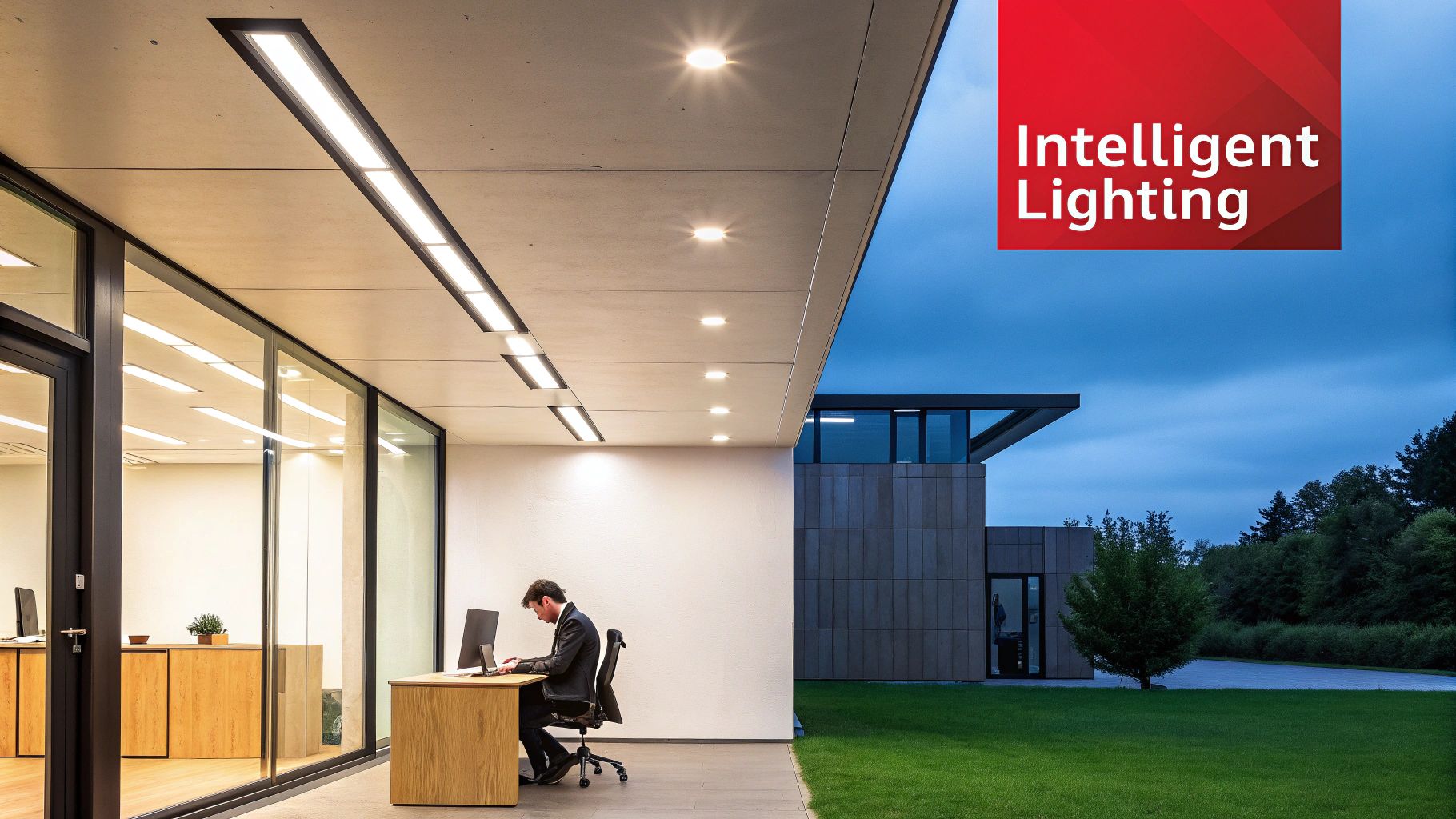
What intelligent lighting controls actually do
A good control system helps the lighting respond to the space instead of running at full output all the time. Depending on the project, that response may be based on occupancy, time of day, available daylight, scenes, or centralized logic.
- turn lights on or off based on occupancy
- dim fixtures when daylight is available
- reduce output after hours
- divide spaces into control zones that match actual use
- support scene control where flexibility matters
The value is not only energy savings. Good controls can also improve comfort, reduce complaints, and make the lighting system easier to manage over time.
Why controls matter earlier than most teams expect
Controls should be considered early, not after fixtures are already selected. If they are left too late, zoning becomes awkward, ceiling coordination gets harder, and code-related issues are more likely to appear during review.
Controls affect:
- fixture selection
- circuiting and wiring strategy
- room zoning
- sensor placement
- commissioning scope
- owner usability
That is why control strategy should be coordinated with the lighting layout, not layered on top at the end.
Core control strategies that matter most
Occupancy and vacancy response
These strategies reduce wasted runtime in offices, classrooms, restrooms, support spaces, and other intermittently used areas. The key is placing sensors where they actually detect use reliably.
Daylight response
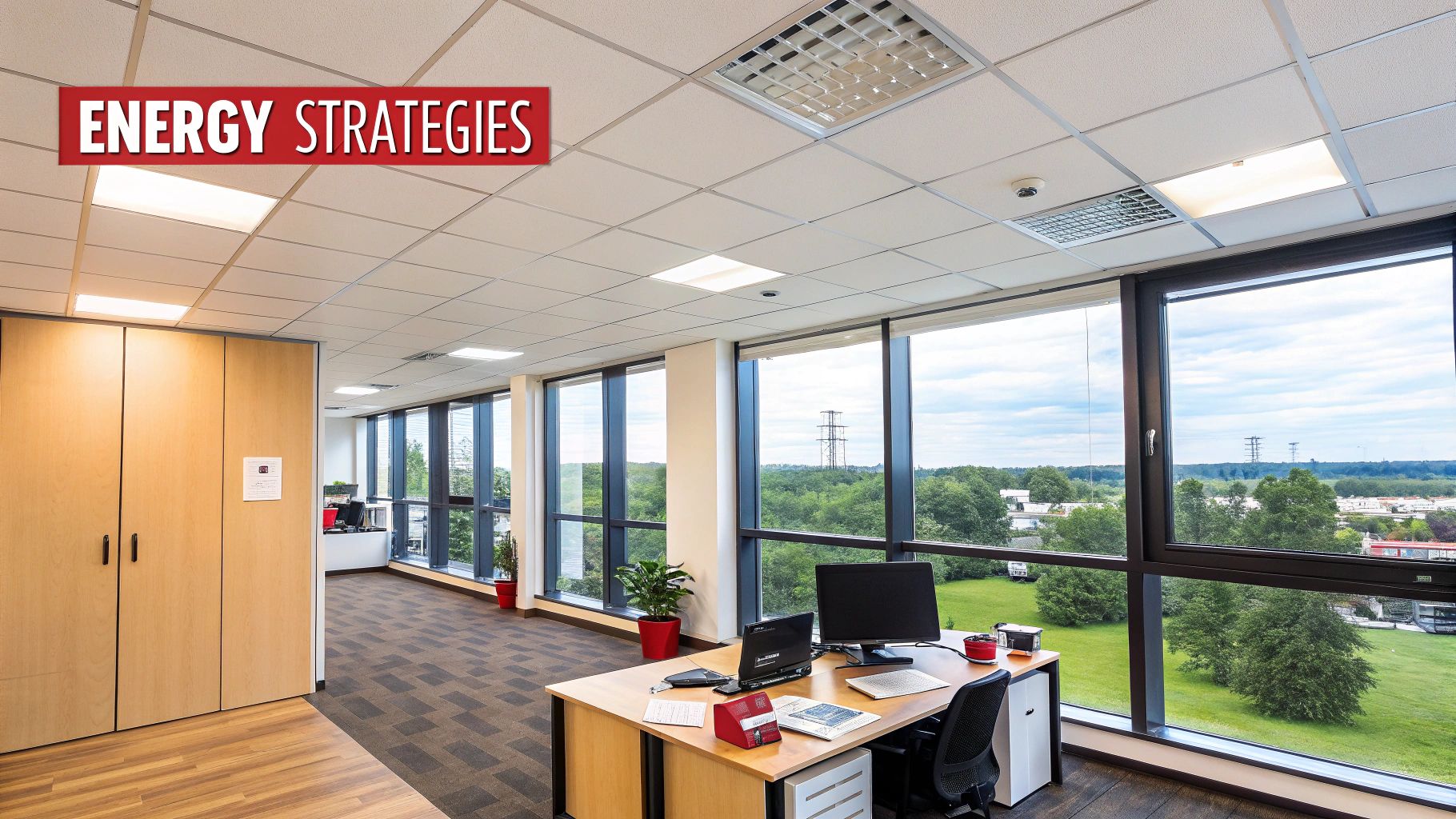
When daylight is available, electric light can be reduced. This works best when perimeter zones are separated clearly and the sensor logic is calibrated for real daylight conditions.
Scheduling
Schedules are especially useful in commercial buildings, campuses, parking areas, and exterior projects where usage changes across the day and week.
Task tuning and scene control
Not every space should run at the same light level all the time. Task tuning can trim excess output. Scene control helps conference rooms, hospitality areas, education spaces, and multipurpose environments work better.
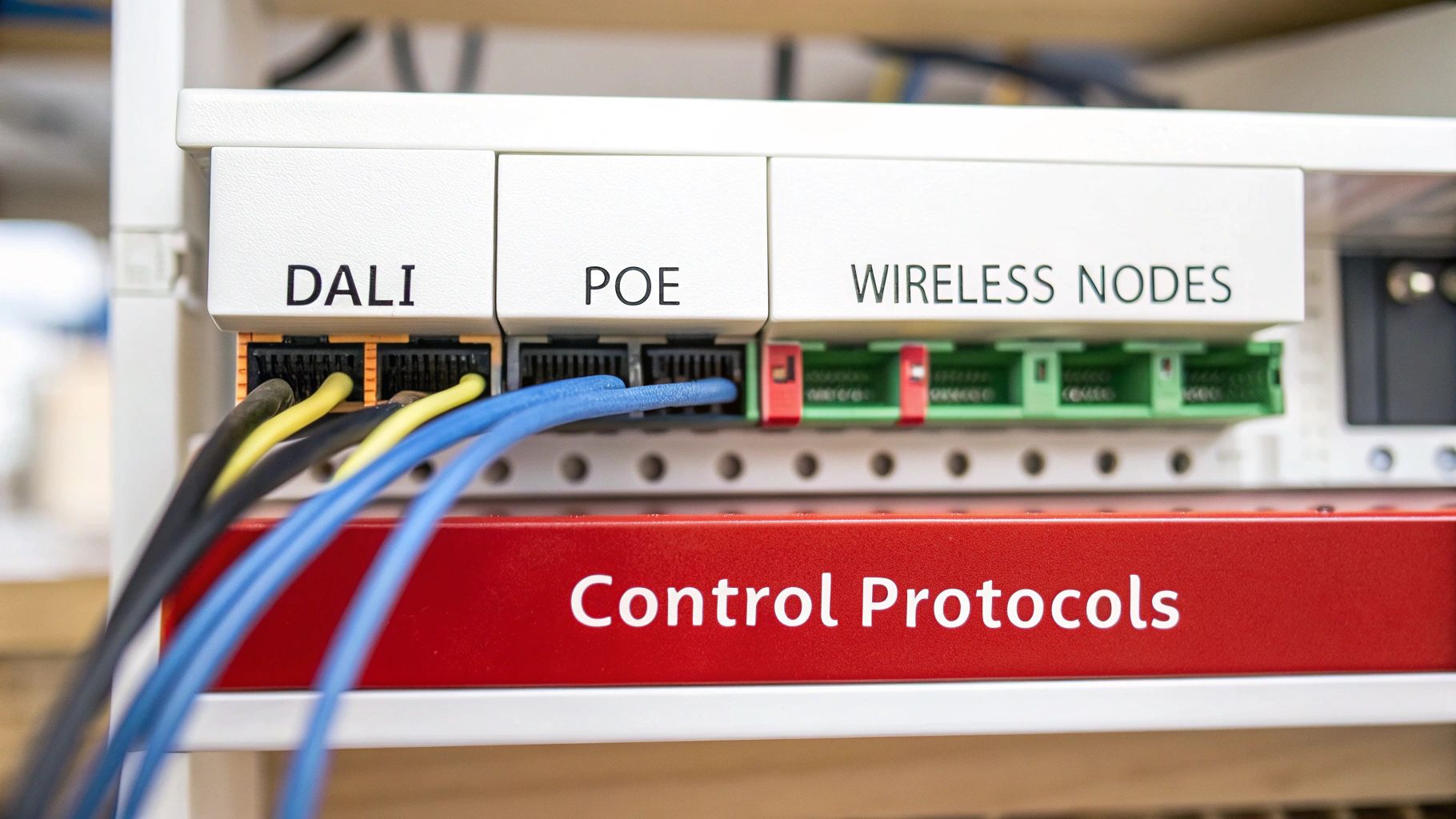
Wired vs. wireless controls
Both wired and wireless control systems can work well. The right choice depends on the building type, renovation constraints, commissioning expectations, and how much flexibility the owner wants later.
- Wired systems: often support stronger standardization and can be a good fit for larger coordinated projects.
- Wireless systems: can reduce disruption in retrofits and make future changes easier in some building types.
The better question is not which one is more advanced. It is which one fits the project scope, budget, and maintenance reality.
Control zoning and commissioning
A smart system still performs poorly if the zoning is wrong. One of the most common problems is grouping fixtures by convenience instead of by how the space is used.
- separate daylight zones from interior zones
- do not combine unlike tasks on the same control zone
- make sure the owner can actually understand and use the interface
- commission the system instead of assuming default settings are good enough
Commissioning is not optional if the project expects the controls to deliver meaningful results.
Controls and exterior lighting
Exterior lighting benefits from controls too. Parking lots, walkways, facade lighting, and site entries often need a different response late at night than they do during active hours.
- photocell response
- time scheduling
- late-night dimming
- selective occupancy response in lower-use areas
Those strategies work best when they are coordinated with a real lighting layout. If the project needs stronger documentation, Stetra Lighting can support the site side with a photometric plan.
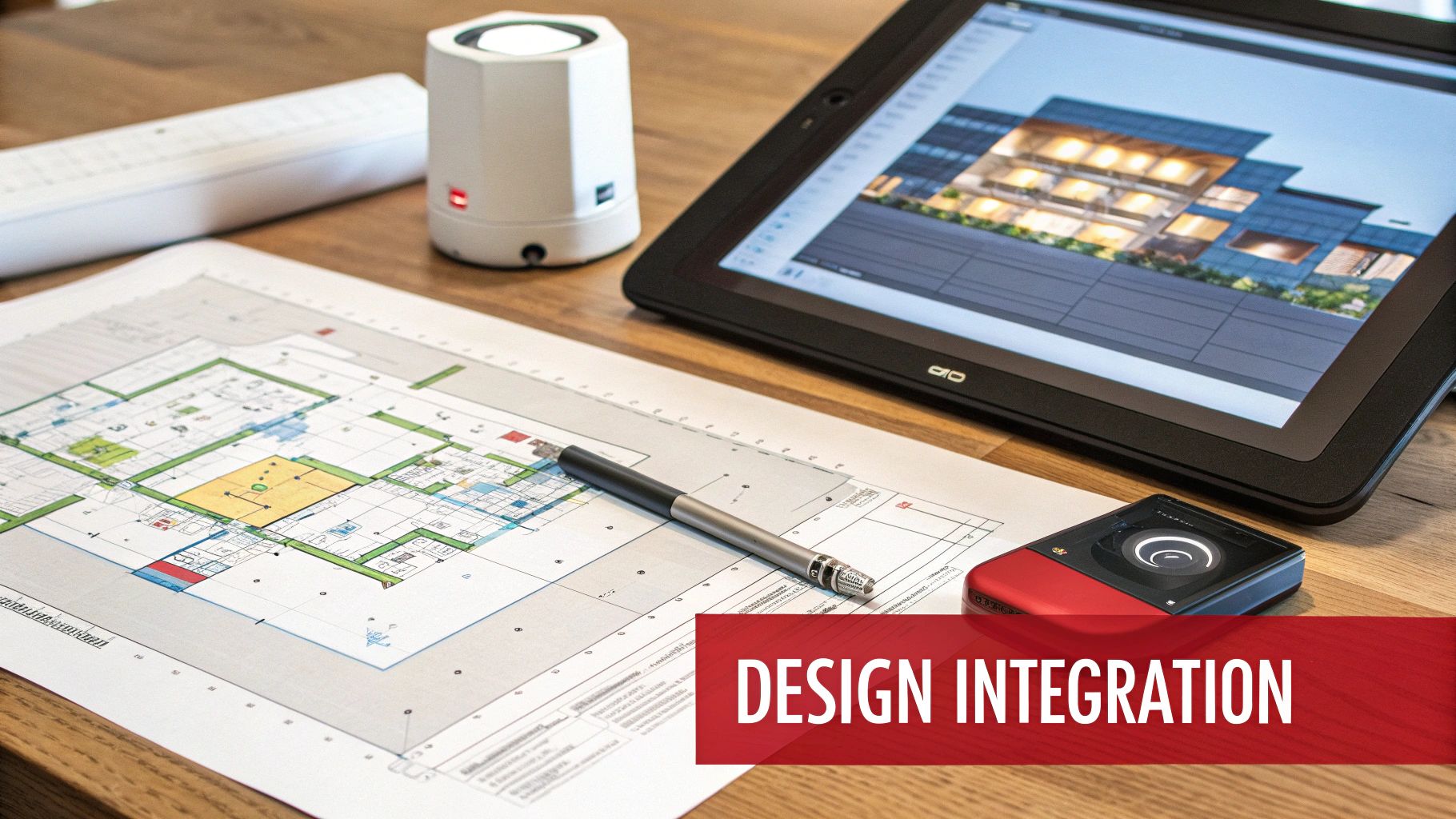
For broader project coordination help, Stetra also provides Lighting Services – Stetra.
Common mistakes with intelligent lighting controls
- waiting too long to define the control strategy
- using oversized or confusing control zones
- placing sensors where they cannot detect occupancy reliably
- ignoring daylight zoning
- skipping commissioning
- installing a complex system the owner cannot operate comfortably
FAQ
What are intelligent lighting controls?
They are control systems that automatically adjust lighting based on occupancy, daylight, schedules, or user settings.
Do lighting controls only help with energy savings?
No. They also affect comfort, zoning quality, code readiness, and how flexible the space feels to the user.
Are wireless lighting controls always better?
No. Wireless can be useful in retrofits, but wired systems may be a better fit in some coordinated new-construction projects. The best choice depends on the project.
Why does commissioning matter?
Because even a well-specified system can perform poorly if the sensor setup, timing, and zone logic are not tuned to the actual building use.
Need controls and layout to work together?
If your project needs controls that work with the actual lighting layout, Stetra Lighting can help review zoning strategy, exterior lighting response, and the photometric side of permit-ready site lighting documentation.
Final Conclusion
Intelligent lighting controls work best when they are designed with the space instead of added after the fact. Strong zoning, sensible control logic, and real commissioning will usually do more for building performance than a long feature list alone.