

Facade Lighting
Facade lighting is the controlled illumination of a building exterior to reveal form, depth, texture, and identity at night. Done well, it makes architecture easier to read and more memorable. Done poorly, it flattens the facade, creates glare, wastes output, and can even make the building look cheaper.
That is why facade lighting should be designed around the building itself, not around a generic fixture package.
This guide explains the practical side of facade lighting for architects, developers, contractors, and property owners who want better nighttime results without turning the building into a bright wall of light.
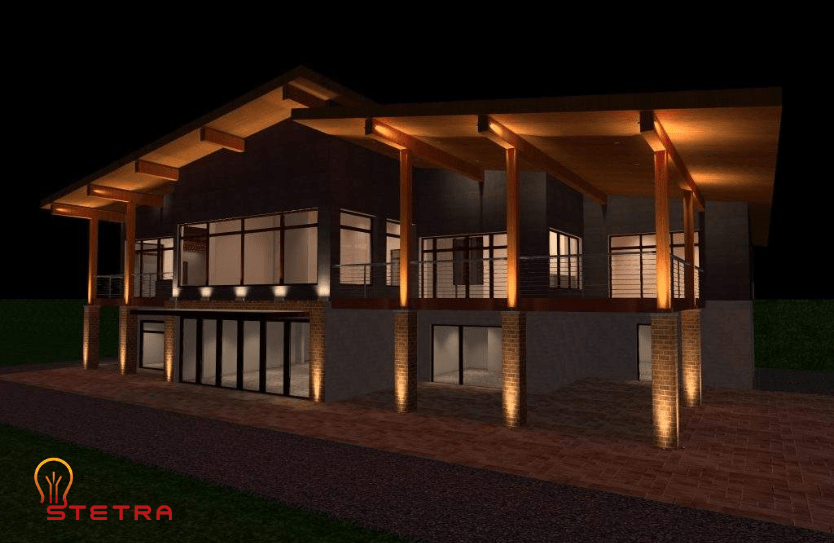
What facade lighting is supposed to do
- highlights the building’s most important lines and surfaces
- helps people understand the architecture after dark
- supports entry recognition and nighttime identity
- controls glare, spill light, and visual clutter
- fits the building use, the surroundings, and the budget
For a hospitality project, that may mean a warmer and more inviting look. For a corporate facade, it may mean sharper vertical definition and cleaner lines. For a public or mixed-use project, the design may need to balance identity, wayfinding, and neighborhood sensitivity.
Start with architecture, not fixtures
One of the biggest mistakes in facade lighting is starting with the product list before understanding the facade. The better process is the reverse.
- the building massing
- key textures and materials
- columns, recesses, fins, reveals, and canopies
- where people approach and view the building from
- where the building should be quieter
Light should reinforce the architecture. If the design ignores the building’s rhythm and surface conditions, the result often feels random.
Common facade lighting techniques
Wall washing
Wall washing creates broad, even vertical illumination across a surface. It works well when the goal is calm, readable brightness rather than dramatic texture.
Grazing
Grazing places light close to the surface to emphasize texture. This can work well on stone, ribbed metal, masonry, or other highly textured materials. It usually needs careful aiming and restraint.
Uplighting
Uplighting can emphasize columns, trees, or vertical features, but it needs strong glare control. Poor uplighting is one of the fastest ways to make a facade feel harsh.
Downlighting
Downlighting can create cleaner visual control and support entries, canopies, and circulation zones. It is often useful when the goal is to integrate facade lighting with practical site visibility.
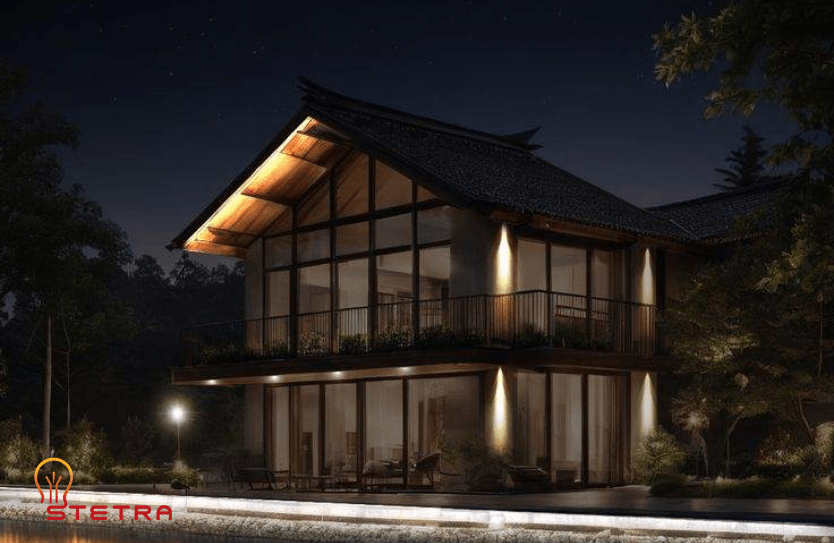
The best scheme often mixes techniques instead of using one everywhere.
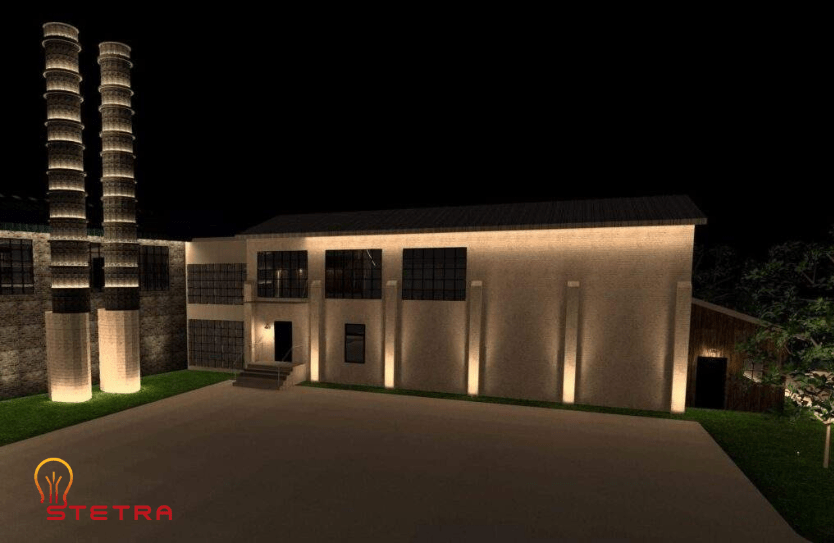
Why beam angle and fixture placement matter
Beam angle controls how much of the facade is lit and how sharply that light is defined. A narrow beam can pick out a column or reveal. A wider beam can create broader wall coverage. Using the wrong beam angle often creates overlap, scalloping, hot spots, or weak edges.
Fixture placement matters just as much. The distance from the wall, the mounting height, the setback from the viewer, and the relationship to facade details all change the result.
That is why facade lighting should not be specified by lumens alone.
Glare control and spill light
Facade lighting should make a building easier to look at, not harder. If the viewer sees the bright source before reading the facade, the design is working against itself.
- fixtures are placed directly in common sight lines
- beam angles are too wide
- output is pushed too high
- the fixture is poorly shielded
- uplighting is used without enough control
Spill light matters too. A facade project may sit near residences, public streets, or adjacent tenants. Good design keeps the light on the building and on key arrival zones, not in the sky or across the property line.
Color temperature and control strategy
Color temperature changes how a facade feels. Warm light can make stone, hospitality, and residential facades feel more welcoming. Neutral or slightly cooler light may work better for some commercial materials and contemporary buildings.
The important point is consistency. Mixed color temperature often makes a facade look uncoordinated.
Controls matter as well. A facade does not always need the same brightness all night. Scheduling and dimming can help support energy goals, neighborhood sensitivity, and building identity without over-lighting the site.

When a facade lighting project needs a photometric plan
Many teams think of photometric plans only for parking lots and large site lighting. That is too limited. Facade lighting often benefits from calculations because vertical illumination, fixture spacing, glare, and spill light all affect the final result.
- whether the facade is evenly readable
- where hot spots may appear
- whether the light is too aggressive at the viewer angle
- how much light reaches surrounding areas
- whether the design supports both aesthetics and practicality
If the project needs stronger documentation, Stetra Lighting can prepare a photometric plan or review the lighting layout before it moves forward.
If the project needs broader design help, Stetra also supports exterior concepts through Lighting Services – Stetra.
Common facade lighting mistakes
- over-lighting the whole building
- using the same technique on every surface
- ignoring the facade material and texture
- leaving fixtures visible in key viewpoints
- choosing beam spreads by guesswork
- failing to coordinate controls
- ignoring spill light and glare
Good facade lighting is usually more selective, not more intense.
FAQ
What is facade lighting?
Facade lighting is the illumination of a building exterior to highlight its architecture and improve its nighttime presence.
Is brighter facade lighting always better?
No. Too much light can flatten the architecture, increase glare, and create wasted spill light.
What technique is best for textured walls?
Grazing often works well for textured materials, but it needs careful placement and aiming.
Why use a photometric plan for facade lighting?
Because it helps confirm vertical light levels, spacing performance, viewer comfort, and spill-light control before installation.
Need a facade lighting review?
If your facade lighting project needs stronger technical control, Stetra Lighting can help review beam angles, fixture spacing, vertical illumination, glare control, and permit-ready documentation.
Final Conclusion
Facade lighting is strongest when it respects the building first. The right beam angle, fixture position, brightness level, and control strategy can reveal architecture clearly without glare or wasted light. That is what makes the facade look intentional instead of overlit.