01
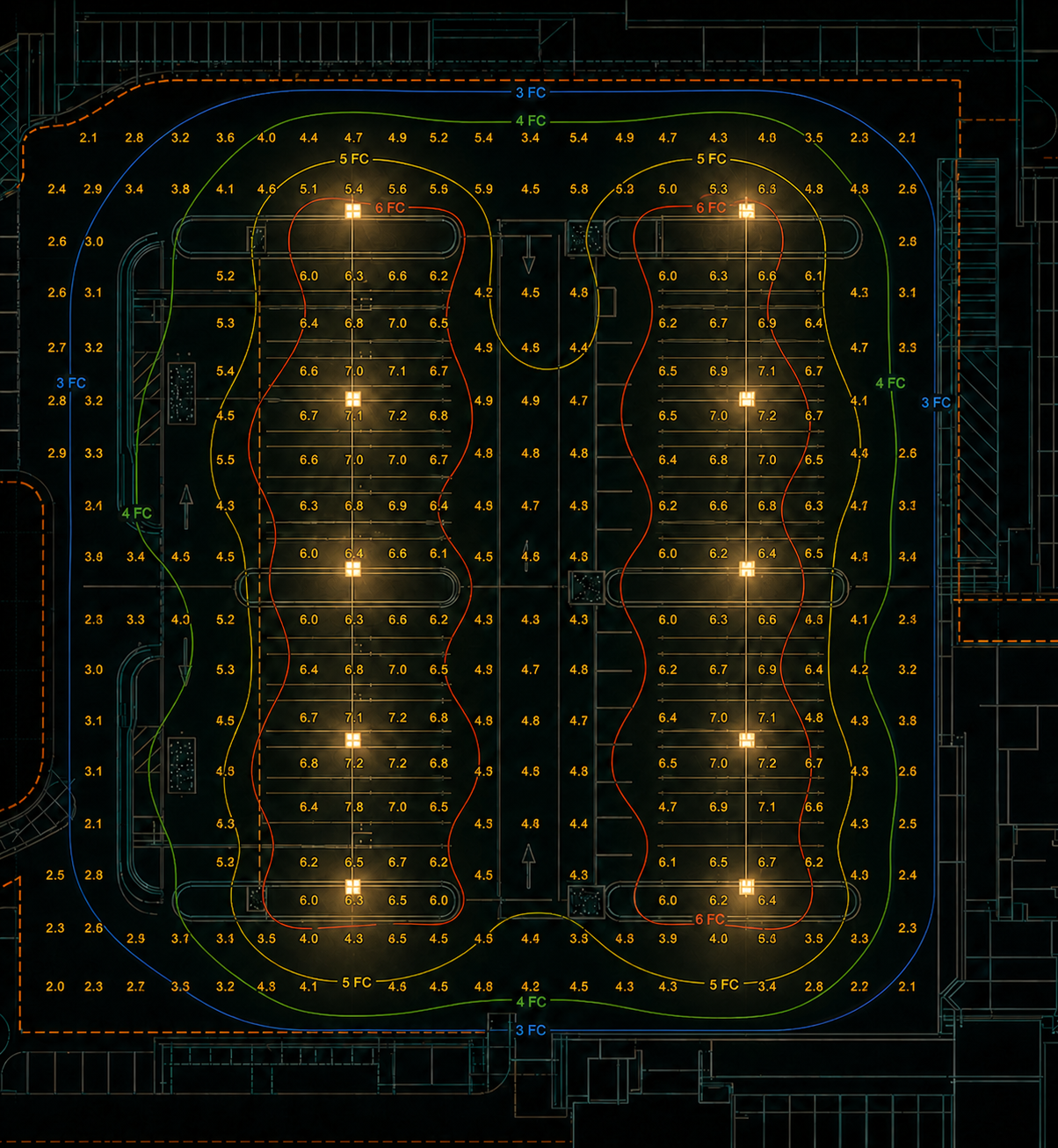
Photometric plans
Accurate calculations for parking lots, warehouses, gas stations, sports fields, façades, and exterior sites—organized for permitting and contractor use.
- DIALux calculations
- IES coordination
- Code-aware reports
 Request a plan
 Lighting calculations · documented
Precise, code-aware lighting documentation for architects, engineers, developers, and contractors—supported by architectural layouts and 3D renders.
Documentation you can build from
From calculation to coordination
Good lighting documentation does more than show bright spots. It gives design teams clear targets, coordinated fixtures, and a defensible path from calculation to installation.
Explore servicesCore services / 01—03
01
Accurate calculations for parking lots, warehouses, gas stations, sports fields, façades, and exterior sites—organized for permitting and contractor use.
02
Fixture placement, spacing, mounting heights, aiming, and technical coordination for residential, commercial, and outdoor projects.
03
Architectural visualizations that communicate light distribution, shadows, material response, and atmosphere before installation.
A clear working process
Send what you have. We’ll identify what is missing, confirm the performance targets, and shape the right technical package.
Share the site or floor plan, fixture schedule, IES files, and any jurisdiction or client requirements.
We align on light levels, uniformity, glare, emergency lighting, and the exact deliverables you need.
Stetra develops the model, verifies performance, and prepares a clear technical package.
You receive the completed report with practical support for questions and project coordination.
Selected work
 01
01Photometric plans
 02
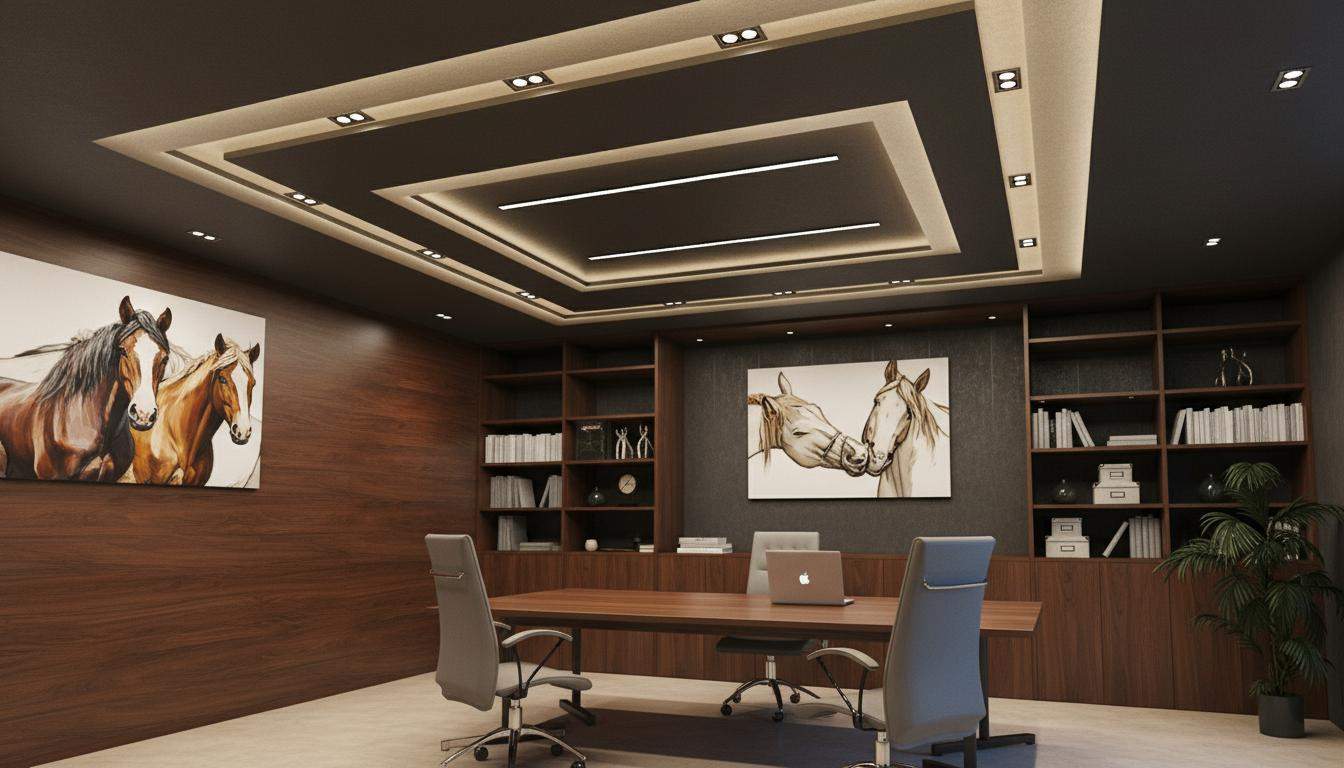
02Commercial interior
 03
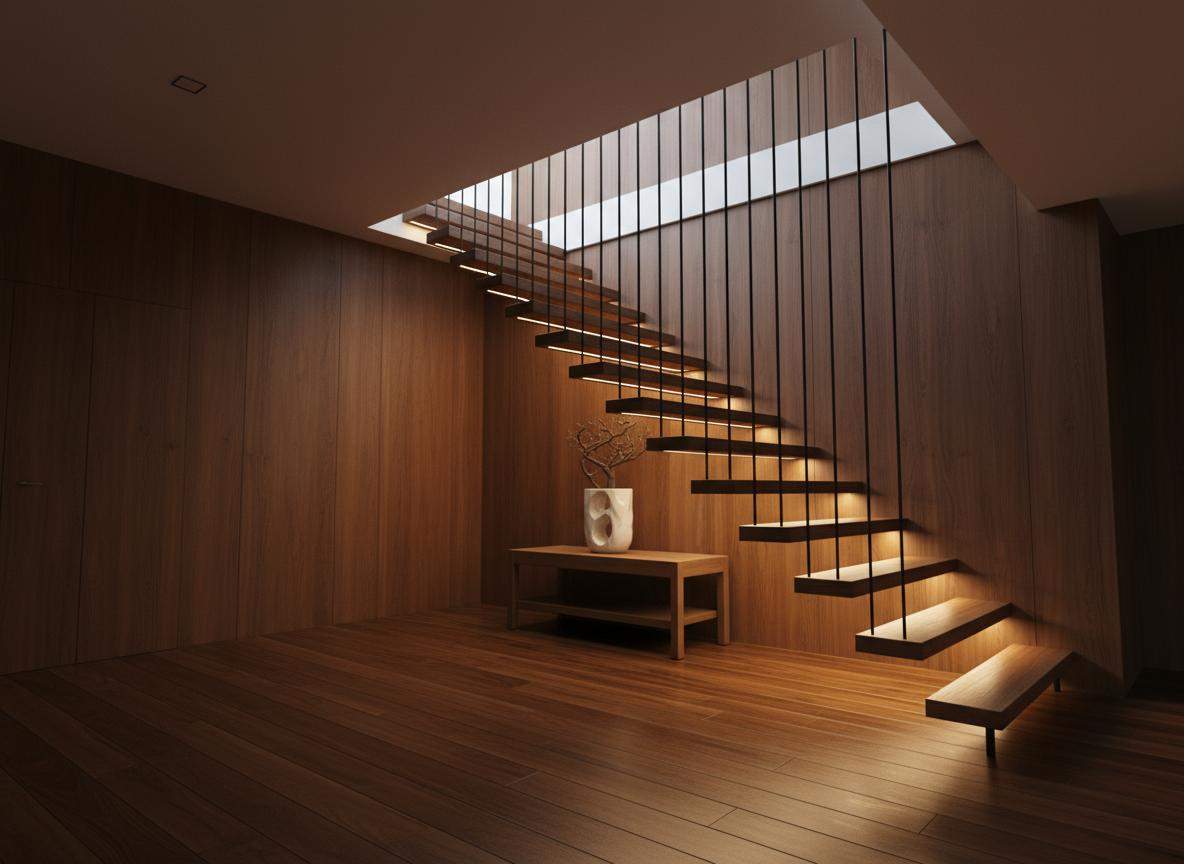
03Residential
 04
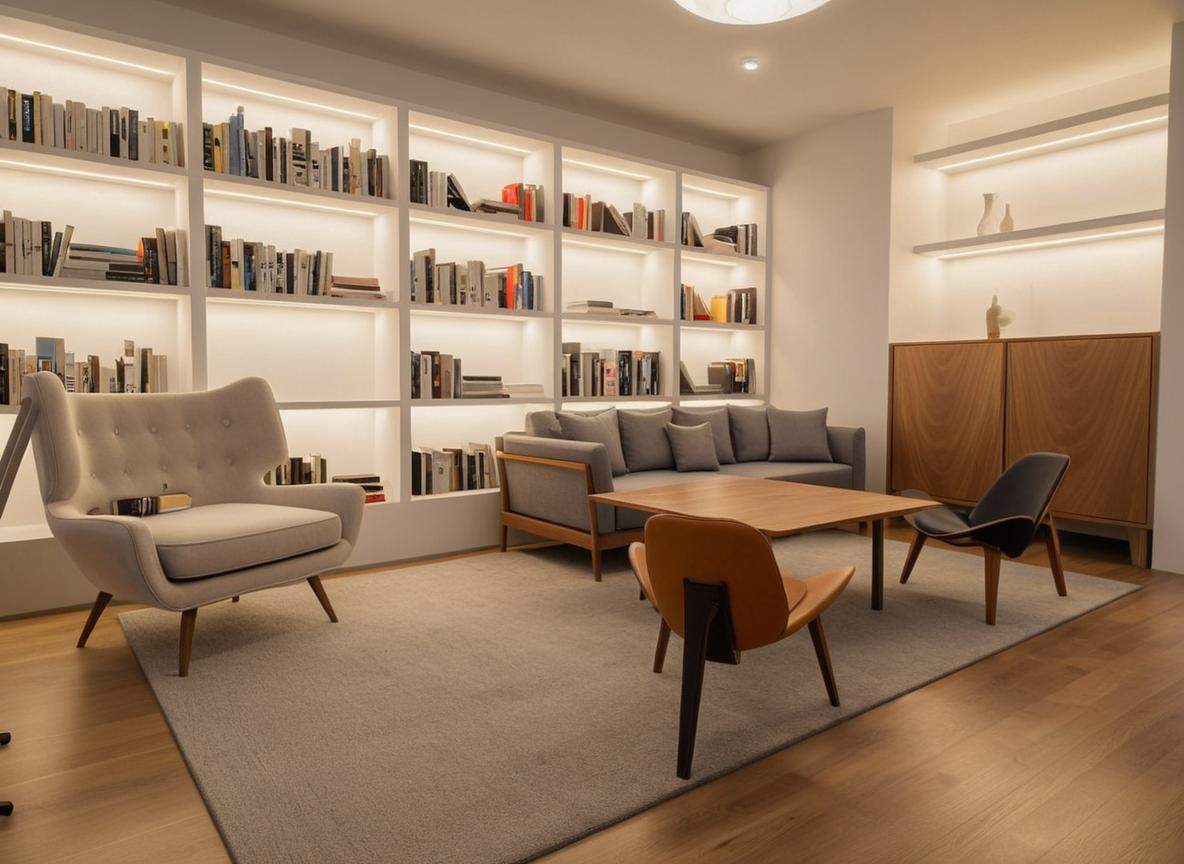
04Architectural lighting
 05
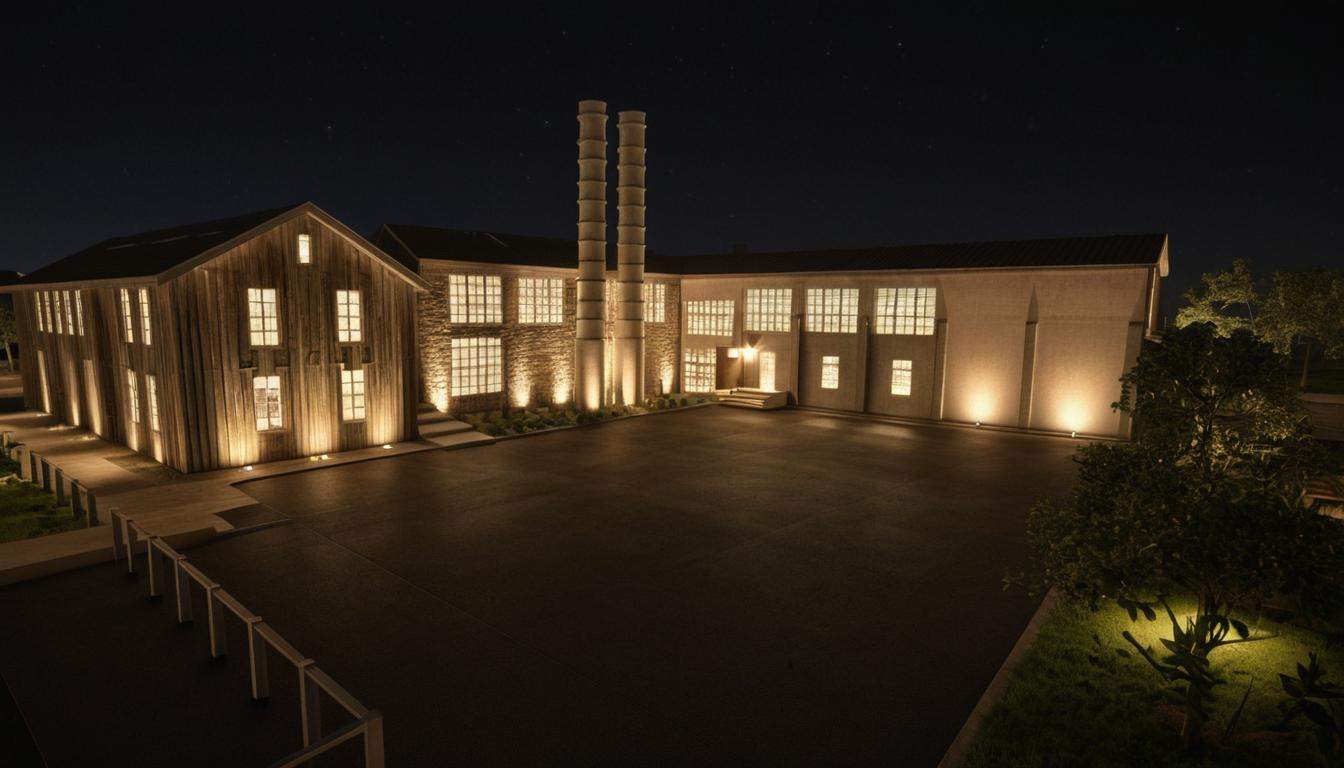
05Exterior
 06
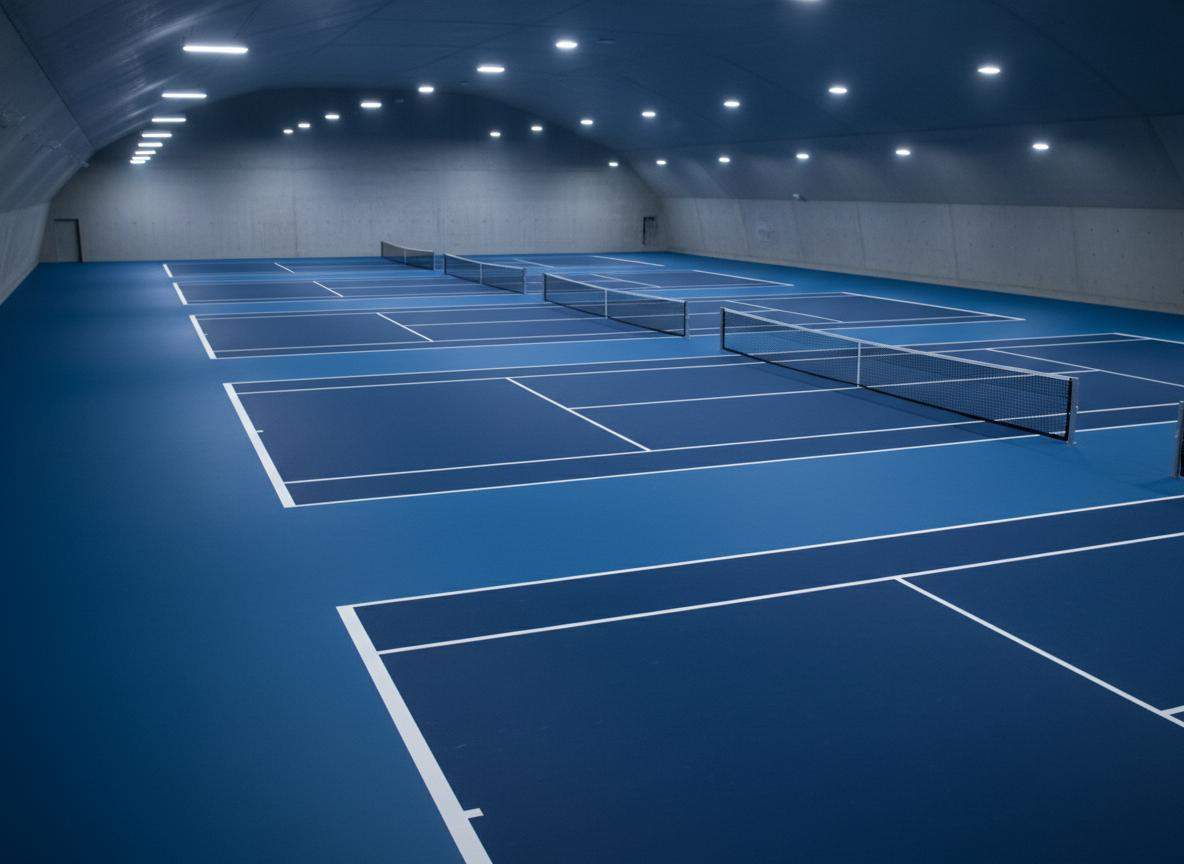
06Sports lighting
Typical deliverables
Light levels, uniformity, calculation grids, and assumptions.
Locations, mounting data, optics, aiming, and schedules.
Project-specific criteria for review, permitting, and handoff.
Start a project
Share your drawings, fixture schedule, and project targets. We’ll review the scope and confirm the right next step.
Request a photometric plan