Common Lighting Design Mistakes to Avoid

Common Lighting Design Mistakes to Avoid

The most common lighting design mistakes are not complicated. Projects usually fail because lighting is planned too late, brightness is judged by feel instead of measured targets, glare is ignored, or fixture spacing and controls are treated as afterthoughts. The result is a space that looks finished but does not perform well.

That problem shows up in homes, offices, retail spaces, warehouses, facades, and outdoor projects. Good fixtures cannot rescue a weak layout. Good wattage cannot rescue poor optics. And a high lumen package does not guarantee good visibility.

This guide covers the mistakes that show up most often in real projects and what to do instead.

Lighting Mistakes

1. Planning lighting too late

Lighting design should start before finishes, ceiling layouts, controls, and equipment locations are locked. When lighting is left until the end, the project usually ends up with awkward fixture placement, weak switch zoning, and expensive compromises.

  • define the visual tasks early
  • identify focal points and circulation areas
  • coordinate with architecture, millwork, and ceiling systems
  • plan controls at the same time as fixtures

2. Treating brightness like guesswork

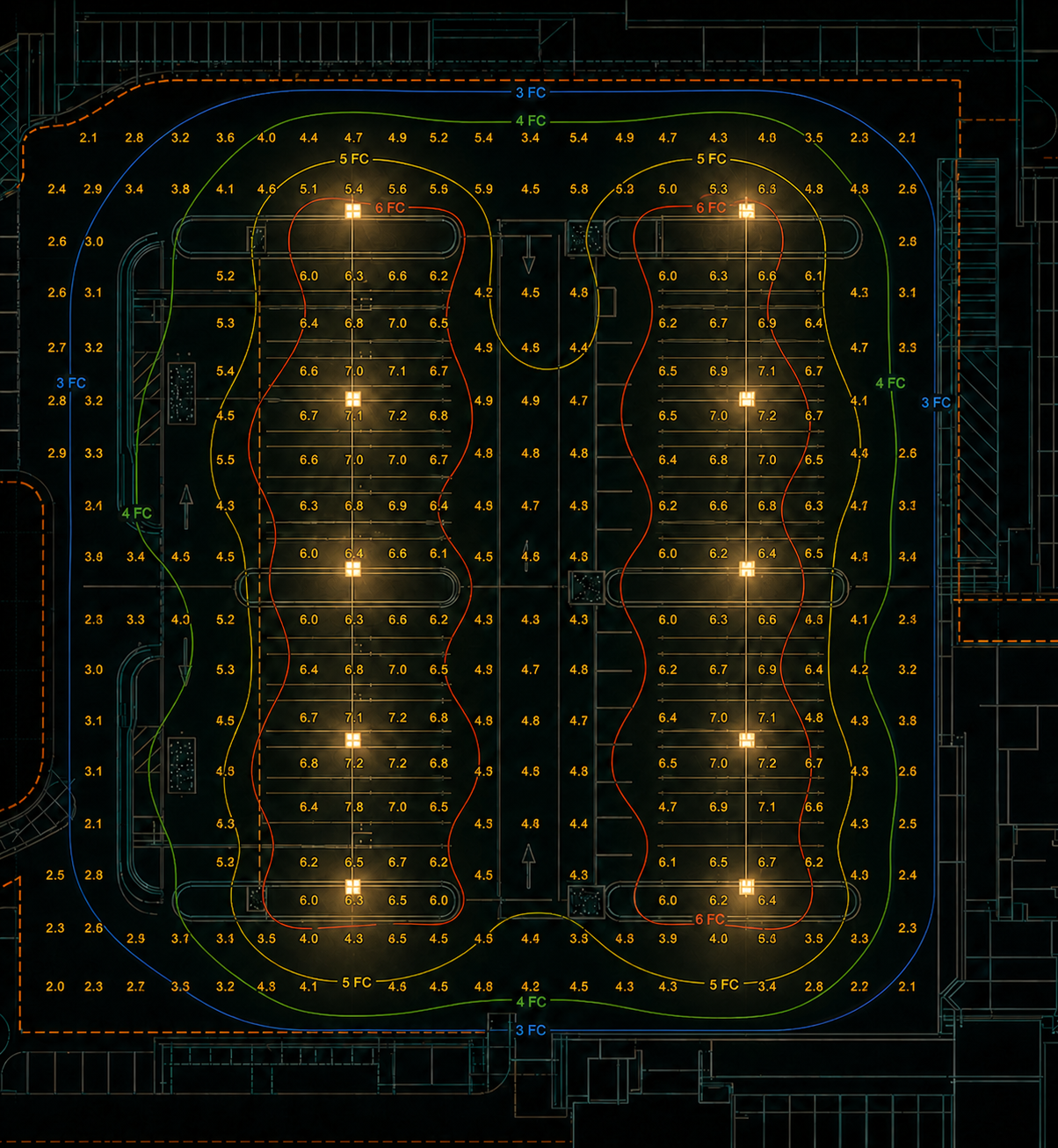
Many projects are still designed around vague statements like “make it bright” or “use a few more fixtures.” That is not a reliable method. Lighting should be built around target foot-candles or lux at the actual task plane.

  • set target light levels by room use
  • review average and minimum values, not just fixture output
  • use a photometric plan when the layout matters

If you need to verify actual light levels before ordering fixtures, a professional photometric plan is the cleanest next step.

For a more detailed breakdown of measured lighting performance, see Photometric Analysis – A Practical Guide.

3. Using one layer of light for everything

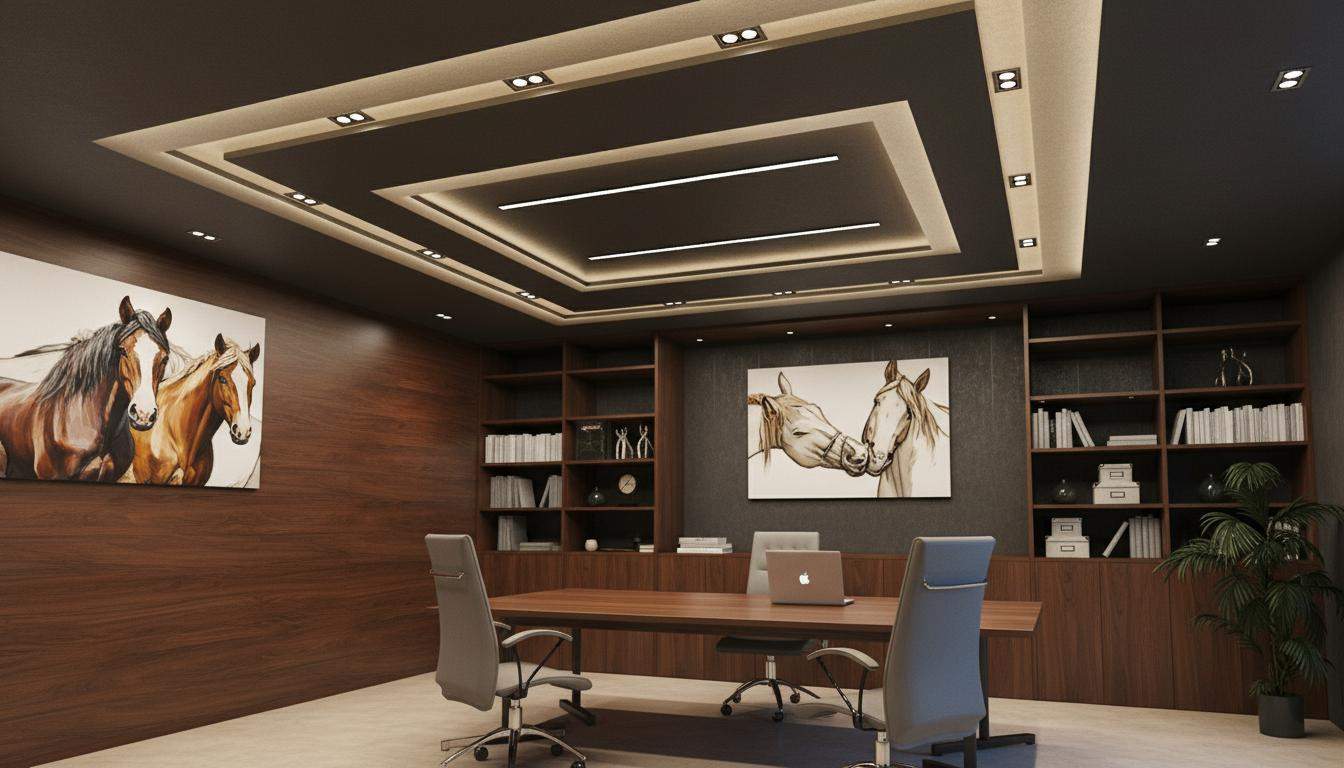
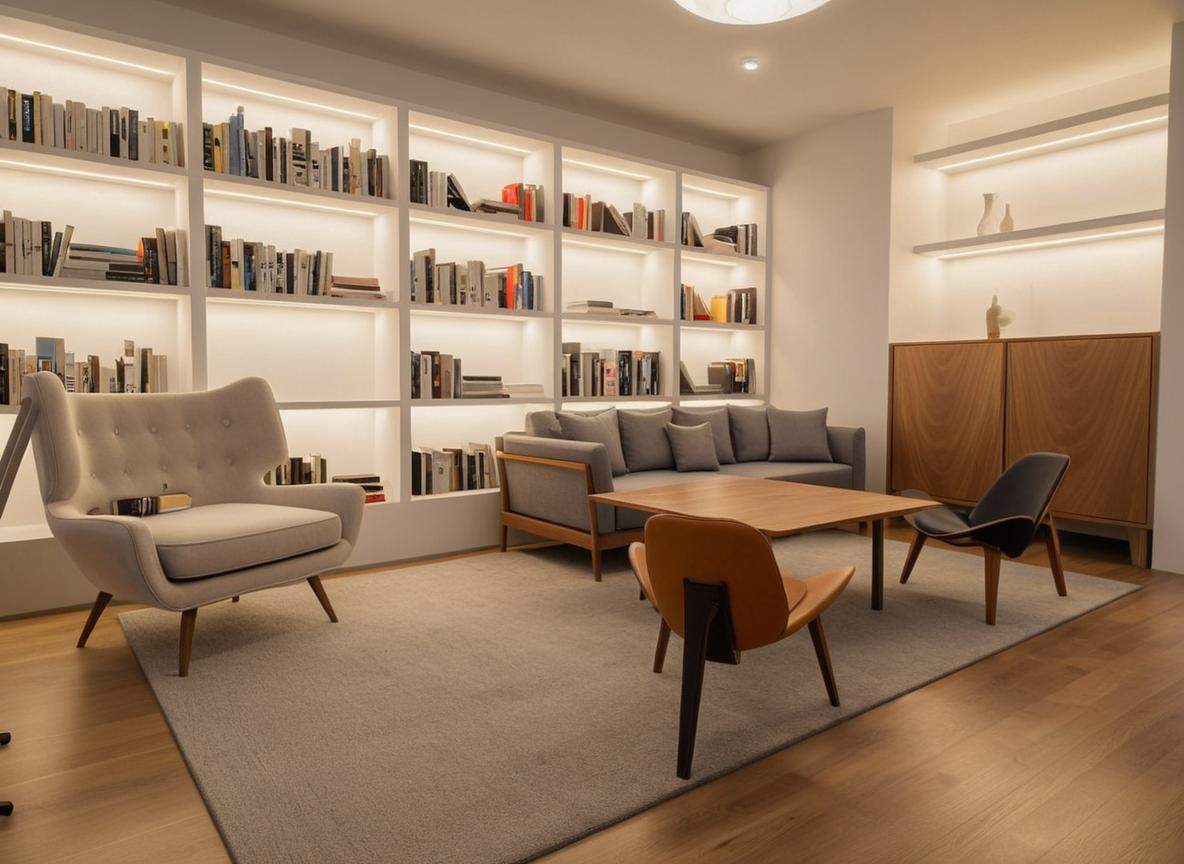
One light type rarely solves a whole space. A room with only downlights often feels flat. A space with only decorative fixtures often looks underlit where work actually happens.

  • use ambient lighting for general visibility
  • use task lighting where work is done
  • use accent lighting only where emphasis is useful
  • let each layer do a clear job

This matters in both interior and exterior projects. Even simple commercial spaces benefit from layered lighting when the tasks are different.

Living Room Lighting

4. Ignoring glare

Glare is one of the fastest ways to make a space uncomfortable. The problem is common in offices, retail environments, exterior walkways, sports lighting, and facade lighting.

It often happens because the optic is wrong, the fixture is visible from the wrong angle, or the output is too aggressive for the mounting condition.

  • review beam angle and shielding early
  • keep bright sources out of direct sight lines
  • do not assume higher output improves visibility
  • use optics that match ceiling height, setback, and distance

More light is not always better light.

5. Poor fixture spacing

Spacing errors create hot spots, dark gaps, and wasted output. This is one of the most common layout problems in parking lots, warehouses, corridors, and large open rooms.

  • space fixtures based on the optic, mounting height, and task area
  • review uniformity, not just average brightness
  • check edge conditions and transitions between fixtures

If the fixture spacing is weak, the design will usually need correction no matter how strong the luminaire package looks on paper.

wallwasher distance from wall

6. Choosing color temperature without thinking about the space

Color temperature affects how the space feels and how materials read. It should not be chosen only from habit.

  • use warmer light where comfort and hospitality matter
  • use neutral or cooler light where clarity and task visibility matter
  • keep the palette consistent with the architecture and finish materials

Also watch color rendering. A project can hit the right foot-candles and still look poor if colors do not read well.

7. Forgetting controls

Lighting controls are part of the design, not an add-on. Projects that skip zoning, occupancy response, scheduling, or daylight response often waste energy and frustrate users.

  • match control zones to how people use the space
  • include dimming where flexibility matters
  • use occupancy or vacancy strategies where appropriate
  • coordinate controls with code compliance early

8. Designing for average values only

Average foot-candles are useful, but they do not tell the whole story. A project can meet its average target and still fail because the minimum values are too low or the contrast is too harsh.

  • review minimums and uniformity
  • check where the weakest points occur
  • pay attention to entries, work surfaces, aisles, and edges

This is especially important in outdoor lighting, warehouses, and other projects where safe movement depends on consistency.

9. Ignoring maintenance and real-world conditions

Lighting does not stay brand new forever. Dirt, temperature, aiming drift, and aging all affect real performance.

  • design with realistic maintenance expectations
  • avoid layouts that only work under perfect conditions
  • choose fixture types that fit the environment

10. Skipping the technical review

Projects that need strong performance, permit support, or owner approval should not rely on sketches and product cutsheets alone.

  • review the layout with photometric calculations
  • compare optics, spacing, and control options before purchase
  • confirm whether the design is buildable and code-conscious

Stetra Lighting supports this part of the process with photometric plans, lighting design review, and practical fixture spacing guidance.

Apartment Lighting

FAQ

What is the most common lighting design mistake?

Planning lighting too late is one of the most common mistakes because it creates layout, control, and coordination problems that affect the whole project.

Is over-lighting a real problem?

Yes. Too much light can create glare, flatten the space, waste energy, and still leave important areas visually weak.

Why is fixture spacing such a big deal?

Because spacing directly affects uniformity, glare, and how usable the space feels.

When should a project use a photometric plan?

Whenever the layout, foot-candles, uniformity, or permit review matters enough that guesswork is risky.

Need a photometric review before fixtures are ordered?

If you want to catch lighting design mistakes before they reach the field, order a photometric review early. Stetra Lighting can help you validate fixture spacing, light levels, glare control, and project-ready documentation.

Final Conclusion

Most lighting design mistakes are preventable. The strongest projects define the task, set the right light levels, choose the right optics, control glare, and verify the layout before fixtures are locked. That process is simpler than fixing a bad installation later.

Leave a Comment

Your email address will not be published. Required fields are marked *